
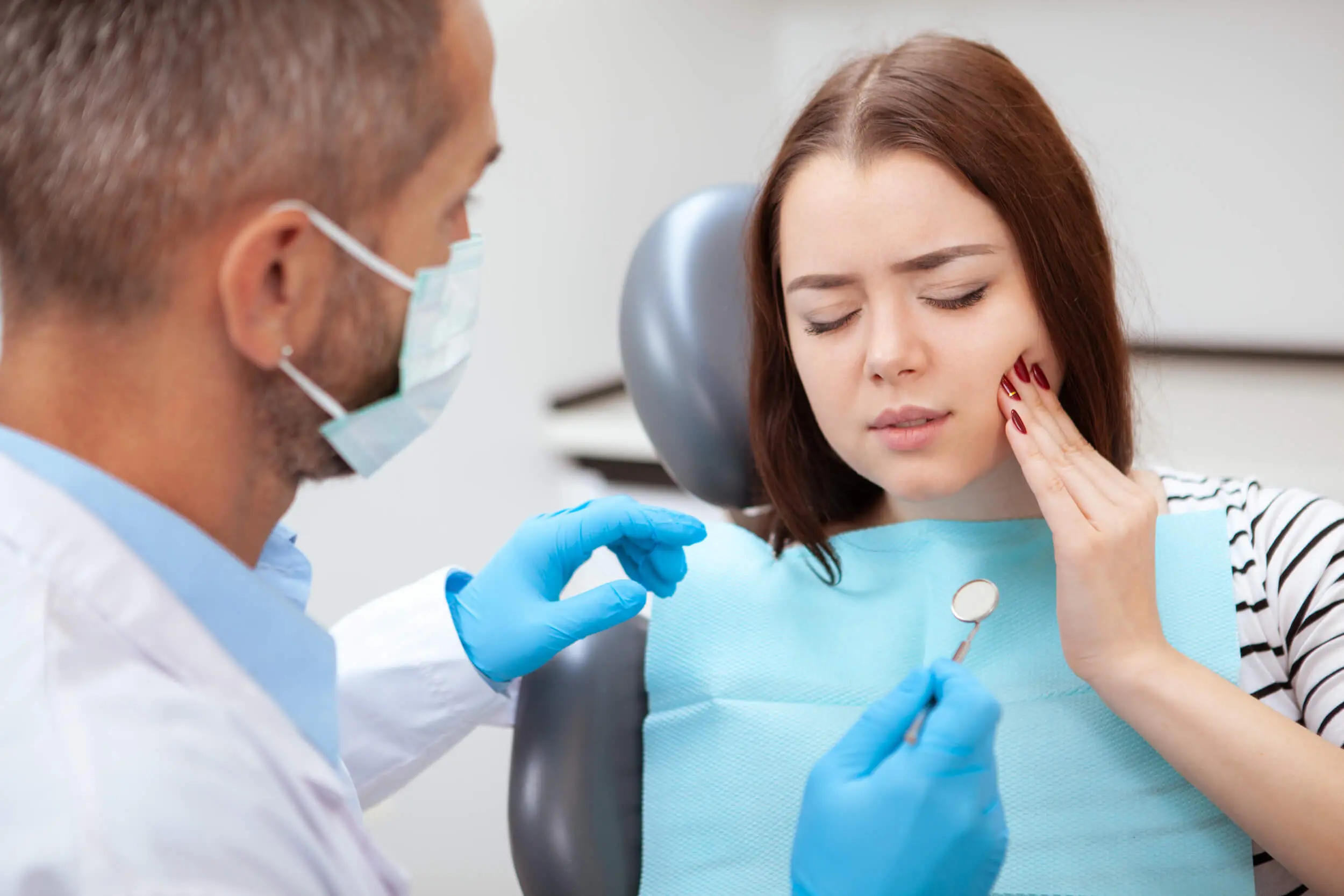
When you sit back in the dental chair, you might assume the dentist is only looking for cavities. In reality, your mouth is a remarkable window into your overall health, and a trained dentist can spot far more than tooth decay. The condition of your teeth, gums, tongue, and soft tissues can hint at everything from your dietary habits to certain medical conditions. At Infinite Dental Wellness in Glendale, CA, our exams are thorough for exactly this reason. Here is a look at the surprising things your dentist can learn from a careful examination of your mouth.
Signs of Cavities and Tooth Wear
The most familiar clues are also the most direct. Dark spots, soft areas, and changes visible on X-rays reveal cavities, sometimes long before you feel any sensitivity. Beyond decay, your dentist can see the story your enamel tells. Flattened or worn-down teeth often point to grinding or clenching, frequently during sleep. Chips and cracks may suggest habits like chewing ice or using teeth as tools. Erosion along the surfaces can hint at acidic diets or acid reflux. Each of these findings guides treatment and prevention.
Clues From Grinding and Clenching
Worn enamel, small fractures, and tender jaw muscles can all signal bruxism, the habit of grinding or clenching your teeth. Left unchecked, it can lead to sensitivity, headaches, and jaw discomfort. A custom night guard is a simple, effective way to protect your teeth from the damage, and your dentist can recommend one if the signs are present.
What Your Gums Reveal
Your gums are one of the most telling parts of an exam. Healthy gums are firm and pink, while red, swollen, or bleeding gums point to inflammation and gum disease. Because gum disease has been linked to broader health concerns, this is an area dentists watch closely. Receding gums can reveal aggressive brushing or the early stages of periodontal disease, and they expose tooth roots that are more vulnerable to decay. Catching these signs early makes treatment far simpler.
- Bleeding or swollen gums suggest gingivitis or gum disease
- Receding gums may reveal aggressive brushing or periodontal issues
- Pale gums can sometimes accompany other health concerns
- Loose teeth may indicate advanced gum and bone loss
Hidden Health Clues Beyond the Teeth
Some of the most valuable findings have little to do with your teeth at all. The mouth often shows early signs of conditions that affect the entire body, which is why dentists examine the tongue, cheeks, palate, and throat. Among the clues a dentist may notice:
- Dry mouth that can point to medications or other health factors
- Frequent cavities and gum issues sometimes linked to diabetes
- Sores or unusual patches that warrant an oral cancer screening
- Enamel erosion that may suggest acid reflux or dietary acids
- Bad breath that can stem from gum disease or other conditions
The Importance of Oral Cancer Screening
During routine exams, your dentist checks your lips, tongue, cheeks, and throat for unusual lumps, sores, or discolored patches. Oral cancer is far more treatable when caught early, and these quick screenings are a quiet but vital part of every visit. If something looks unusual, your dentist can recommend the next steps right away. Because this examination takes only a couple of minutes and requires nothing from you, it is one of the most efficient health screenings you can receive, and it happens automatically as part of your regular care.
What Your Tongue and Breath Can Reveal
The tongue is sometimes called a mirror of overall health, and its color, texture, and coating can offer subtle clues. A healthy tongue is pink with a thin coating, while unusual color changes, persistent patches, or a heavily coated surface may prompt your dentist to look closer or ask about your habits and health. Chronic bad breath is another signal worth investigating. While it is often caused by bacteria from gum disease or food trapped between the teeth, persistent bad breath can occasionally point to dry mouth, sinus issues, or other underlying conditions. Your dentist can help pinpoint the source and recommend the right solution.
What Your Teeth Say About Your Habits
Beyond medical clues, your teeth quietly record your daily habits. Staining patterns can reveal heavy coffee, tea, or tobacco use. Notches near the gumline may point to overly aggressive brushing. Worn edges can show grinding, while a buildup of tartar in specific areas often highlights spots that are being missed during brushing and flossing. None of these observations are meant as judgment; they simply help your dentist offer practical, personalized advice tailored to your everyday routine and the small changes that will make the biggest difference for you. A few common examples of what everyday habits tend to leave behind on your teeth include the following:
- Surface stains that reflect diet and tobacco use
- Worn or flattened edges from grinding and clenching
- Notches at the gumline from brushing too hard
- Tartar buildup in spots that are regularly missed
- Erosion patterns linked to acidic foods or reflux
Why Regular Exams Matter
All of these clues are only useful if someone is looking for them regularly. Many oral and overall health issues develop without symptoms, so waiting until something hurts means missing the early window when problems are easiest to address. Routine checkups give your dentist the chance to track changes over time, compare against previous visits, and catch concerns before they grow. A dentist who sees you regularly builds a baseline understanding of your mouth, which makes even subtle changes easier to notice and address. Consistent preventative dental care is one of the simplest ways to protect not just your smile but your overall health.
Your next dental visit is about much more than checking for cavities. The team at Infinite Dental Wellness in Glendale, CA performs thorough, attentive exams designed to protect your whole-body health. Call (818) 541-1110 today to schedule your comprehensive checkup.