
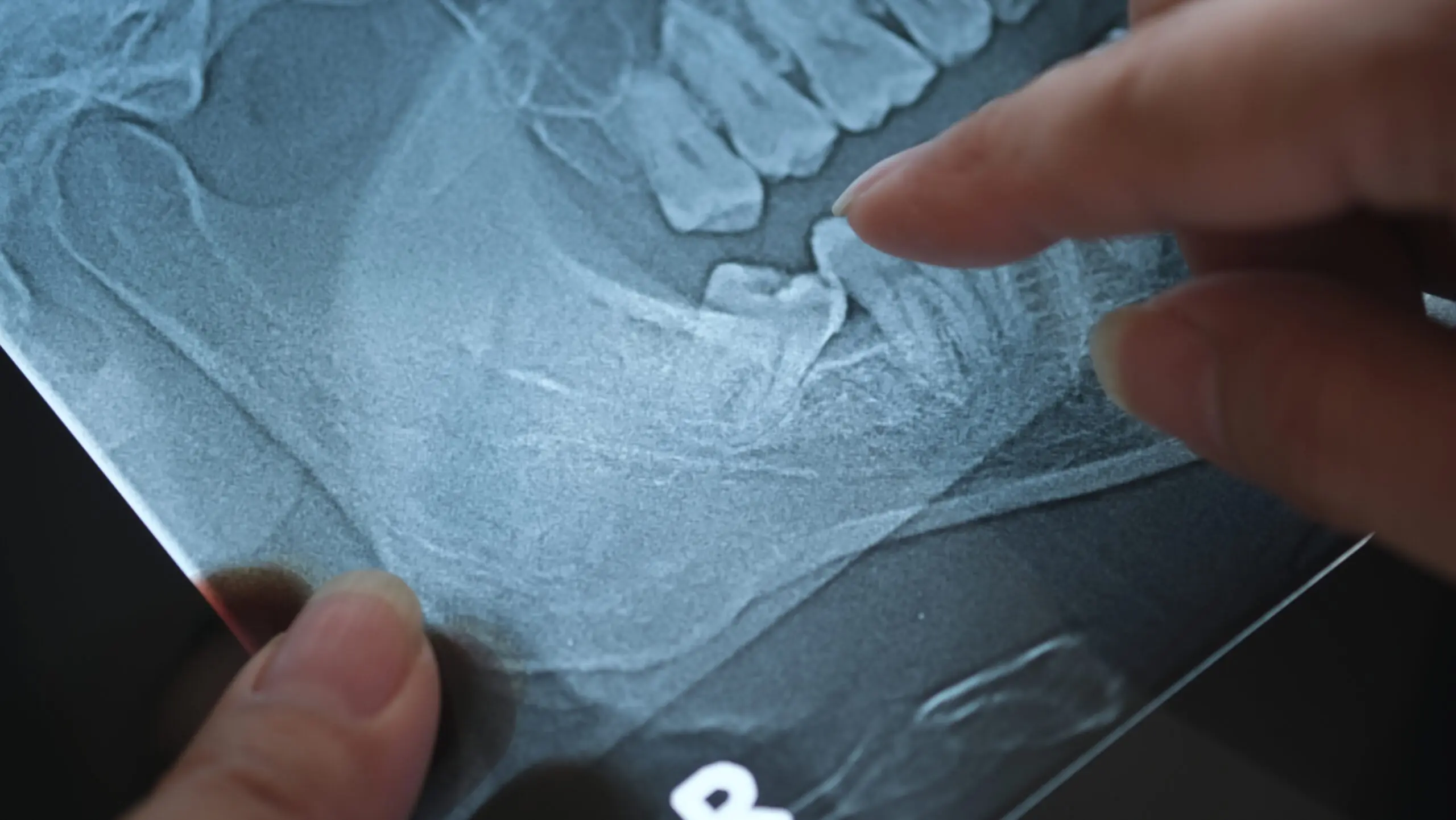
A dental emergency rarely waits for a convenient moment. A tooth gets knocked out during a weekend basketball game, a crown pops off while you are eating, or a dull ache erupts into throbbing pain in the middle of the night. In those first few minutes, what you do can mean the difference between saving a tooth and losing it. The good news is that staying calm and following a few simple steps gives you the best possible outcome, and our team at Infinite Dental Wellness in Glendale is ready to help when you need same-day care.
How to Recognize a True Dental Emergency
Not every dental problem requires an immediate trip to the office, but several situations do. Knowing the difference helps you act quickly when it truly counts and avoid unnecessary worry when it does not. As a rule, anything involving uncontrolled bleeding, severe pain, facial swelling, or a tooth that has been knocked out or badly broken should be treated as urgent.
Common Emergencies That Need Fast Action
- A knocked-out (avulsed) permanent tooth
- A cracked, fractured, or badly broken tooth
- Severe, persistent toothache or pain that wakes you at night
- A lost filling or crown that exposes sensitive tooth structure
- Swelling of the gums, face, or jaw, which can signal an abscess
- Uncontrolled bleeding after an injury to the mouth
Problems That Can Usually Wait a Day or Two
- Mild sensitivity to hot or cold without lingering pain
- A small chip with no pain or sharp edges
- Food stuck between teeth that floss can remove
- A dull, occasional ache that responds to over-the-counter relief
First Steps for Specific Emergencies
The right response depends on what has happened. Here is how to handle the most common situations before you reach the dentist.
Knocked-Out Tooth
Pick the tooth up by the crown (the chewing surface), never the root. Gently rinse it with water if it is dirty, but do not scrub or remove any attached tissue. If you can, place it back in the socket and bite down softly on clean gauze. If that is not possible, keep it moist in a container of milk or your own saliva and get to our office right away. A permanent tooth has the best chance of survival when it is placed back into the socket within the first hour.
Broken or Cracked Tooth
Rinse your mouth with warm water and apply a cold compress to the outside of your cheek to limit swelling. Save any pieces of the tooth and bring them with you. Avoid chewing on that side until you are seen. Depending on the damage, treatment may involve a composite filling, a dental crown, or another restoration to rebuild and protect the tooth.
Severe Toothache
Rinse with warm salt water and gently floss to remove any trapped debris. Over-the-counter pain relievers can ease discomfort, but never place aspirin directly against the gum, as it can burn the tissue. Persistent or severe pain often points to deep decay or infection that may require root canal treatment to save the tooth.
Lost Filling or Crown
If a crown comes off, keep it safe and bring it with you, as it can often be re-cemented. Dental wax or a temporary dental cement from the pharmacy can cover the exposed area in the meantime. Avoid sticky foods and chew on the opposite side until you are seen.
What to Avoid During a Dental Emergency
In the rush to fix the problem, it is easy to make a small situation worse. Steer clear of these common mistakes:
- Do not ignore pain or swelling in the hope it will pass on its own.
- Do not use your teeth as tools to open packages or bite hard objects.
- Do not scrub the root of a knocked-out tooth or let it dry out.
- Do not place aspirin directly on the gum tissue.
- Do not delay calling the dentist, even after business hours.
Soft-Tissue Injuries
Cuts to the lips, cheeks, gums, or tongue can bleed heavily and look alarming. Rinse your mouth with mild salt water, then apply gentle pressure with clean gauze or a damp tea bag for 15 to 20 minutes. A cold compress on the outside of the mouth helps control bleeding and swelling. If the bleeding does not slow after about 20 minutes, seek emergency care.
Something Stuck Between Teeth
If food or an object is wedged between your teeth, try to remove it gently with dental floss. Never use a pin, knife, or other sharp object, which can injure your gums or damage the tooth. If you cannot dislodge it, give us a call rather than forcing it.
How Infinite Dental Wellness Handles Emergencies
When you call us with an urgent problem, our priority is to relieve your pain and protect your tooth. We reserve time in our schedule for same-day emergencies so you are not left waiting and hurting. Drs. Leon Kiraj and Liana Muradyan, our USC-trained husband-and-wife dentists, will examine the area, take any images needed, and explain your options clearly before moving forward. Whether you need a simple repair, a crown, root canal treatment, or in some cases a tooth extraction, we focus on the most conservative solution that keeps you comfortable. Our practice is mercury-free and we accept all PPO insurance plans, though we are not able to accept Medi-Cal or Denti-Cal.
Preventing the Next Emergency
Many emergencies are avoidable. Keeping up with routine checkups lets us catch decay, weakened fillings, and small cracks before they turn into painful problems. If you grind your teeth or play contact sports, a custom mouth guard offers valuable protection. Practicing good oral hygiene and steering clear of habits like chewing ice go a long way toward keeping your smile intact.
If you are facing a dental emergency in Glendale, do not wait it out. Call Infinite Dental Wellness at (818) 541-1110 and our team will guide you through the next steps and get you seen as soon as possible. Our patients trust us to be there when it matters most, and so can you.