
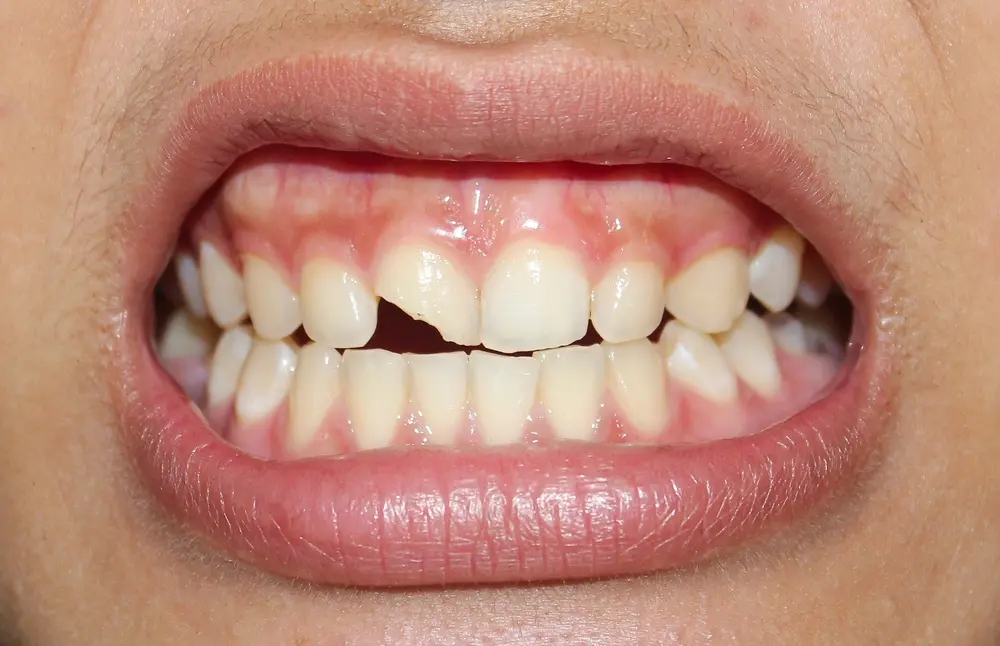
If you wake up with a sore jaw, hear a click every time you open your mouth, or get headaches that never quite go away, your temporomandibular joints may be to blame. These small but hardworking joints connect your lower jaw to your skull and let you talk, chew, and yawn thousands of times a day. When something disrupts how they work, the result is a temporomandibular joint disorder, often shortened to TMJ or TMD. The discomfort can range from a minor annoyance to a daily struggle. The good news is that many TMJ problems respond well to conservative dental care. At Infinite Dental Wellness in Glendale, CA, we help patients understand their jaw pain and find lasting relief.
What Is TMJ Disorder?
Your temporomandibular joints are among the most complex joints in your body. They hinge and slide at the same time, cushioned by a small disc that keeps movement smooth. When that disc slips, the muscles become overworked, or the joint is strained, the entire system can fall out of balance. The result is the cluster of symptoms known as TMJ disorder. It is surprisingly common, and it can affect people of all ages.
TMJ disorder is rarely caused by a single factor. More often it develops from a combination of habits, stress, and bite issues that build up over time. Understanding the cause is the first step toward effective treatment, and a dentist is uniquely qualified to evaluate how your teeth, bite, and jaw work together to find that cause.
Common Causes of Jaw Pain
Many things can put stress on the jaw joint and the muscles around it. Some causes are obvious, like an injury, while others develop quietly over months or years. The most frequent contributors include the following.
- Teeth grinding or clenching, often during sleep or times of stress
- An uneven bite that strains the jaw muscles
- Stress and tension that cause you to tighten your jaw
- Arthritis or wear in the joint itself
- Injury or trauma to the jaw, head, or neck
- Habitual gum chewing or nail biting
Because grinding and clenching are leading causes, many patients benefit from a custom night guard that protects the teeth and relaxes the jaw muscles overnight. This simple appliance is one of the most effective first-line treatments we offer.
Signs and Symptoms to Watch For
TMJ symptoms are easy to dismiss at first because they often come and go. Paying attention to recurring discomfort can help you catch the problem early. Watch for these warning signs.
- Pain or tenderness in the jaw, especially near the ears
- Clicking, popping, or grating sounds when you open or close your mouth
- Difficulty or discomfort when chewing
- A jaw that locks or feels stuck open or closed
- Frequent headaches, earaches, or facial pain
- Stiffness or fatigue in the jaw muscles
When to See a Dentist
Occasional jaw soreness after a long dental appointment or a hard chew is usually nothing to worry about. But you should schedule a visit if your symptoms are persistent, worsening, or interfering with daily life. See a dentist if you have ongoing jaw pain, cannot open or close your mouth fully, hear consistent clicking accompanied by discomfort, or notice that headaches and facial pain are becoming routine. A dentist can examine your bite, check the joints and muscles, review your dental history, and identify the source of the problem. Early evaluation often means simpler, more effective treatment and helps prevent the strain from damaging your teeth.
How a Dentist Can Help
Treatment for TMJ disorder usually starts with conservative, non-invasive approaches, and most patients find meaningful relief without anything dramatic. After a thorough evaluation, your dentist may recommend a combination of the following.
- A custom night guard or bite appliance to reduce grinding and ease joint stress
- Bite adjustments or restorative care to correct an uneven bite
- Stress-management and jaw-relaxation techniques
- Gentle jaw exercises and warm compresses for muscle relief
- Guidance on softer foods and habits to avoid during flare-ups
If worn or damaged teeth are contributing to your bite problems, restorative options such as crowns or other treatments can help rebuild a balanced, comfortable bite. Our team will tailor a plan to your specific symptoms and goals.
Why You Should Not Ignore TMJ Symptoms
It can be tempting to push through jaw discomfort and hope it fades on its own, but untreated TMJ disorder often gets worse over time. Chronic clenching and grinding can wear down enamel, crack teeth, and damage existing dental work, which may eventually require crowns or other restorative treatment to repair. The constant muscle tension can also lead to ongoing headaches, neck pain, and disrupted sleep that affect your quality of life. Catching the problem early gives you the widest range of conservative treatment options and helps you avoid more complicated, costly care later. If you have been brushing off recurring jaw pain, consider it a signal worth investigating.
Simple Habits That Can Ease Jaw Pain
While professional care addresses the root cause, a few everyday habits can reduce day-to-day discomfort. Try to be mindful of clenching during the day, especially when concentrating or feeling stressed, and keep your teeth slightly apart with your lips closed when your jaw is at rest. Stick to softer foods during a flare-up, avoid chewing gum, and apply a warm compress to relax tight muscles. Gentle jaw stretches and good posture can also relieve tension that builds up in the jaw, neck, and shoulders. Managing stress through relaxation techniques, regular exercise, and adequate sleep often eases clenching as well. These steps do not replace treatment, but they can make a real difference while you and your dentist work toward a long-term solution.
You do not have to live with jaw pain, clicking, or daily headaches. The TMJ-focused team at Infinite Dental Wellness in Glendale, CA, led by USC-trained dentists Dr. Leon Kiraj and Dr. Liana Muradyan, will pinpoint the cause of your discomfort and build a comfortable, effective treatment plan. Call us today at (818) 541-1110 to schedule your evaluation and take the first step toward lasting relief.