
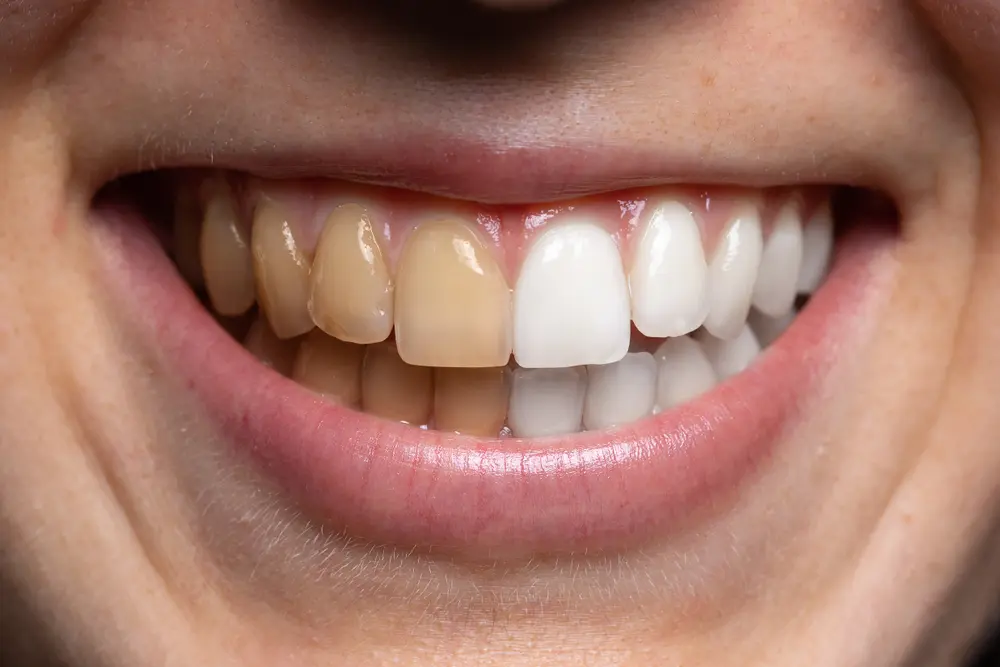
It is easy to think of your mouth and your heart as completely separate systems, but a growing body of research suggests they are more connected than most people realize. Your oral health offers real clues about your overall well-being, and the health of your gums in particular has been linked to the health of your heart. At Infinite Dental Wellness in Glendale, CA, we believe caring for your teeth is part of caring for your whole body. Here is what science tells us about the mouth-heart connection and what you can do to protect both.
How Your Mouth and Heart Are Connected
The link comes down largely to inflammation and bacteria. When plaque is allowed to build up along the gumline, it can trigger gum disease, an infection of the tissues that support your teeth. Gum disease creates chronic inflammation, and the bacteria involved can enter the bloodstream through inflamed gum tissue. Researchers believe this ongoing inflammation and bacterial spread may contribute to the processes that affect blood vessels and the heart. While studies show an association rather than a simple cause-and-effect, the connection is strong enough that dental and medical professionals take it seriously.
The Role of Gum Disease
Gum disease is the centerpiece of the mouth-heart relationship. In its early stage, called gingivitis, gums become red, swollen, and prone to bleeding, but the condition is still reversible. Left untreated, it can advance to periodontitis, which damages the gums and the bone that anchors your teeth. People with advanced gum disease have been observed to have higher rates of heart concerns, which is one more reason not to ignore bleeding or inflamed gums.
Warning Signs You Shouldn't Ignore
Because gum disease often develops quietly, knowing the early signs helps you act before it progresses. Watch for:
- Gums that bleed when you brush or floss
- Red, swollen, or tender gum tissue
- Persistent bad breath or a bad taste in your mouth
- Gums that appear to be pulling away from the teeth
- Teeth that feel loose or have shifted position
If any of these sound familiar, it is worth scheduling a dental visit. Early gum problems are very treatable, and addressing them protects both your smile and potentially your heart.
Who Is Most at Risk
Certain factors raise the risk for both gum disease and heart problems, which is part of why the two so often appear together. Being aware of these can help you and your dentist stay vigilant:
- Smoking or tobacco use, which harms both gums and blood vessels
- Diabetes, which is closely tied to gum disease in both directions
- Poor oral hygiene that allows plaque and tartar to accumulate
- A family history of gum disease or heart conditions
- Chronic stress, which can affect inflammation and immune response
Protecting Both Your Smile and Your Heart
The encouraging news is that the same habits that keep your mouth healthy also support your overall health. Brushing twice a day, flossing daily, and keeping up with professional cleanings are the foundation of preventing gum disease. Regular dental checkups allow your dentist to catch and treat early inflammation before it advances, sometimes with a deep cleaning known as root scaling and planing for patients with periodontal concerns. Pairing good oral care with a heart-healthy lifestyle, including not smoking and managing conditions like diabetes, gives you the best of both worlds.
Simple Steps to Start Today
- Brush for two minutes twice daily and floss once a day
- See your dentist for cleanings and exams every six months
- Avoid tobacco and limit sugary, acidic foods
- Tell your dentist about health conditions and medications
How Professional Care Supports the Connection
Your dentist plays a meaningful role in protecting both your oral and overall health. Professional cleanings remove the hardened tartar that fuels gum inflammation and that no amount of brushing can clear away. During exams, your dentist measures the health of your gums, checks for pockets where bacteria collect, and watches for early signs of disease so it can be reversed before it advances. For patients who have already developed periodontitis, deeper periodontal treatment such as root scaling and planing cleans below the gumline and helps the tissue heal, reducing the chronic inflammation that may affect the rest of the body.
It also helps to think of your dental and medical care as a team. Let your dentist know about heart conditions, diabetes, or medications you take, and keep your physician informed about your oral health. This coordinated view means problems are less likely to slip through the cracks, and you benefit from a more complete picture of your well-being. Some patients are surprised to learn how much their dentist can contribute to managing chronic conditions, simply by keeping inflammation in the mouth under control. When everyone involved in your health is working from the same information, you are far better positioned to stay well.
Don't Wait for Symptoms
Perhaps the most important takeaway is that gum disease is largely silent in its early stages, just as many heart concerns develop quietly over time. Waiting until your gums hurt or bleed heavily often means the condition has already progressed and become harder to reverse. Regular checkups give your dentist the chance to catch and reverse early inflammation, protecting your smile and supporting your heart health at the same time. By staying ahead of gum disease rather than reacting to it, you reduce a source of chronic inflammation that your whole body will thank you for. Prevention truly is the most powerful tool you have.
Your mouth and your heart deserve the same care. If you have noticed bleeding gums or it has simply been too long since your last cleaning, let us help you get back on track. Call (818) 541-1110 today to schedule your visit and invest in your whole-body health.