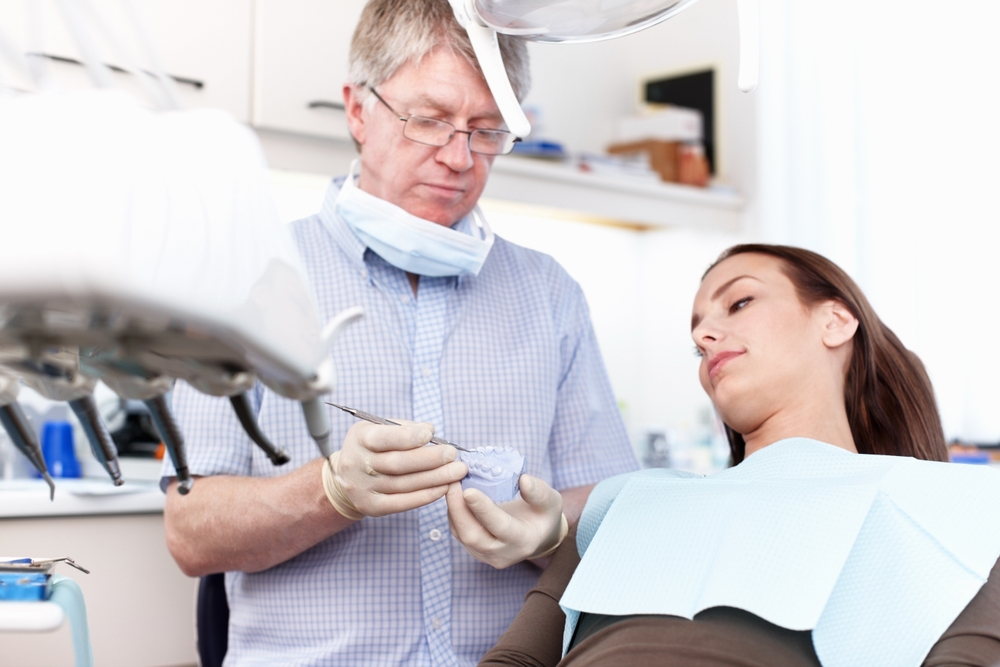
Preventing Dental Emergencies: Glendale Dentist Shares 12 Proven Tips
No one plans for a toothache at 2:00 AM or a chipped tooth right before a big presentation. Dental emergencies have a way of happening at the most inconvenient times, disrupting your life and causing significant stress. While not every accident can be avoided, the truth is that a vast majority of dental crises are entirely preventable.As a leading dental practice in Glendale, CA, we see patients every week who are in pain that could have been avoided with proactive care. The difference between a routine checkup and an urgent root canal often comes down to small, daily habits and consistent preventive measures.At Infinite Dental Wellness, our philosophy goes beyond just fixing problems when they arise. We believe in empowering our patients with the knowledge they need to maintain long-term oral health. In this guide, we are sharing Glendale dentist tips that can save you from pain, expense, and emergency appointments.Here are 12 proven strategies to help you prevent dental emergency situations and keep your smile healthy for years to come.1. Commit to Regular Dental Checkups and Cleanings
It sounds simple, but the most effective way to avoid an emergency is to see your dentist before anything hurts. Many serious dental issues, like deep decay, gum disease, and infections, start silently. By the time you feel pain, the problem has likely advanced to a critical stage.Regular visits allow us to:- Catch decay early: We can spot cavities while they are still small and easily treatable with a simple filling, preventing the need for root canals or extractions later.
- Monitor gum health: Gum disease is a leading cause of tooth loss in adults. Early detection allows for management that can save your teeth.
- Check restoration integrity: Old fillings and crowns can loosen or crack over time. We can repair or replace them before they fail completely.
2. Never Ignore Minor Pain or Sensitivity
One of the biggest mistakes patients make is ignoring “minor” symptoms. You might feel a twinge when you drink cold water, or perhaps your gums bleed slightly when you floss. It’s easy to dismiss these signs, hoping they will go away on their own. Unfortunately, in dentistry, problems rarely resolve themselves.Sensitivity to hot or cold often indicates:- Enamel erosion
- Gum recession exposing the tooth root
- A crack in the tooth
- Early stages of decay
3. Wear a Mouthguard During Sports
Glendale is an active community, and we love seeing our patients participate in sports. However, athletic activities are a common cause of dental trauma. A wayward elbow in basketball, a fall in soccer, or a tackle in football can instantly result in a knocked-out or fractured tooth.According to the American Dental Association, athletes who don’t wear mouthguards are 60 times more likely to damage their teeth.Custom vs. Store-Bought Mouthguards
While boil-and-bite guards from sporting goods stores offer some protection, a custom-fitted mouthguard from your dentist provides superior safety and comfort. Custom guards are designed to:- Fit your unique bite perfectly
- Provide optimal shock absorption
- Allow for easier breathing and speaking during play
4. Don’t Use Your Teeth as Tools
We have all done it. You can’t find the scissors, so you use your teeth to rip open a package. Or perhaps you use your molars to crack a nut or hold hairpins while getting ready.Using your teeth for anything other than chewing food is a recipe for disaster. Your enamel is strong, but it is brittle. Subjecting it to the unnatural forces required to open bottles or tear plastic can cause immediate chips, cracks, or fractures.Habits to break immediately:- Opening plastic packaging with your teeth
- Cracking nuts or ice
- Biting your nails
- Holding objects (pens, keys) in your mouth
- Removing bottle caps
5. Address Grinding and Clenching (Bruxism)
Stress is a major factor in oral health, often manifesting as bruxism—the grinding or clenching of teeth, usually during sleep. Over time, this immense pressure wears down enamel, causes microscopic fractures, and can even split a tooth in half.Signs you might be grinding your teeth include:- Waking up with a sore jaw or headache
- Increased tooth sensitivity
- Flattened or worn-down tooth surfaces
- Tight neck and shoulder muscles
6. maintain a Tooth-Friendly Diet
What you eat directly impacts the structural integrity of your teeth. Bacteria in your mouth feed on sugars and starches, producing acids that attack your enamel. If these attacks happen frequently, the enamel weakens, leading to cavities and potential infections.To reduce your risk:- Limit sugary snacks: Candy, especially sticky varieties like gummies and caramel, clings to teeth for hours.
- Watch your acidity: Sodas, sports drinks, and citrus juices can erode enamel over time, making teeth more susceptible to decay and injury.
- Hydrate with water: Water helps wash away food particles and neutralizes acids in the mouth. Fluoridated water also helps strengthen enamel.
- Eat crunchy fruits and vegetables: Apples, carrots, and celery act as natural “toothbrushes,” stimulating saliva flow and scrubbing tooth surfaces.
7. Replace Old or Damaged Restorations
Dental work is durable, but it isn’t permanent. Fillings, crowns, and bridges endure incredible pressure every day. Over 10, 15, or 20 years, materials can degrade, margins can open up, and cement can wash away.When a restoration fails, the tooth structure underneath is vulnerable to rapid decay or fracture. A loose crown that is ignored can lead to the tooth underneath rotting away, eventually requiring extraction.During your regular visits to Infinite Dental Wellness, we check the integrity of all your past dental work. If we see a filling with a crack or a crown with a gap at the margin, we will recommend replacing it proactively. Replacing a restoration on your own terms is much easier than dealing with it when it breaks on a Friday night.Check out our Restorative Dentistry services to see how we can update your smile.8. Be Careful with Hard FoodsGet Your Confident Smile — Book Today
Ready when you are. Our team at Infinite Dental Wellness makes scheduling a breeze and welcomes new patients for cleanings, cosmetic care, or dental emergencies.
Schedule a Visit
Certain foods are notorious for causing dental emergencies. We frequently see patients who have bitten down on something unexpectedly hard and cracked a molar.Foods to approach with caution:Get Your Confident Smile — Book Today
Ready when you are. Our team at Infinite Dental Wellness makes scheduling a breeze and welcomes new patients for cleanings, cosmetic care, or dental emergencies.
Schedule a Visit- Ice: Chewing ice is one of the most damaging habits for your teeth. The thermal shock combined with the hardness creates a high risk of fracture.
- Popcorn kernels: Unpopped kernels are incredibly hard and can easily split a tooth or get wedged painfully in the gums.
- Hard candies: Biting down on a jawbreaker or lollipop can exert enough force to break a tooth.
- Pits and stones: Always be careful with olives, cherries, and stone fruits. Even “pitted” olives can sometimes contain a stray pit.
9. Maintain Excellent Oral Hygiene at Home
Professional care is vital, but what you do during the other 363 days of the year matters just as much. Brushing and flossing are your first line of defense against the bacteria that cause abscesses and gum disease.The basics of a strong routine:- Brush twice a day: Use a soft-bristled toothbrush and fluoride toothpaste. Brush for a full two minutes, ensuring you reach the back molars where decay often hides.
- Floss daily: Flossing removes plaque from areas your toothbrush can’t reach—between the teeth and under the gumline. This is where many emergencies originate.
- Use mouthwash: An antimicrobial mouthwash can help reduce the bacterial load in your mouth.
10. Watch Out for Gum Disease Warning Signs
Gum disease (periodontal disease) is a silent epidemic. It is the leading cause of tooth loss in adults and can lead to painful abscesses if left untreated. Unlike a sudden break, gum emergencies often build up slowly over time.Warning signs to watch for:- Red, swollen, or tender gums
- Bleeding when brushing or flossing
- Persistent bad breath
- Gums that are pulling away from the teeth (recession)
- Loose teeth
11. Protect Your Teeth from Acid Reflux
Digestive health is surprisingly linked to dental health. Conditions like GERD (Gastroesophageal Reflux Disease) or chronic heartburn bring stomach acid up into the mouth. This acid is incredibly potent and can dissolve tooth enamel rapidly.Patients with untreated acid reflux often experience:- Severe enamel erosion, particularly on the back teeth
- Increased sensitivity
- Thinning, translucent teeth
12. Have a Plan for When Emergencies Do Happen
Even with the best prevention strategies, accidents can happen. Being prepared can make the difference between saving and losing a tooth.Know what to do in common scenarios:- Knocked-out tooth: Time is critical. Pick the tooth up by the crown (the chewing part), rinse it gently without scrubbing, and try to place it back in the socket. If that’s not possible, keep it moist in milk or saliva and get to the dentist immediately.
- Broken tooth: Rinse your mouth with warm water and apply a cold compress to the face to reduce swelling. Save any broken fragments if possible.
- Severe toothache: Rinse with warm water and floss gently to remove any lodged food. Do not put aspirin directly on the gum, as it can burn the tissue.
