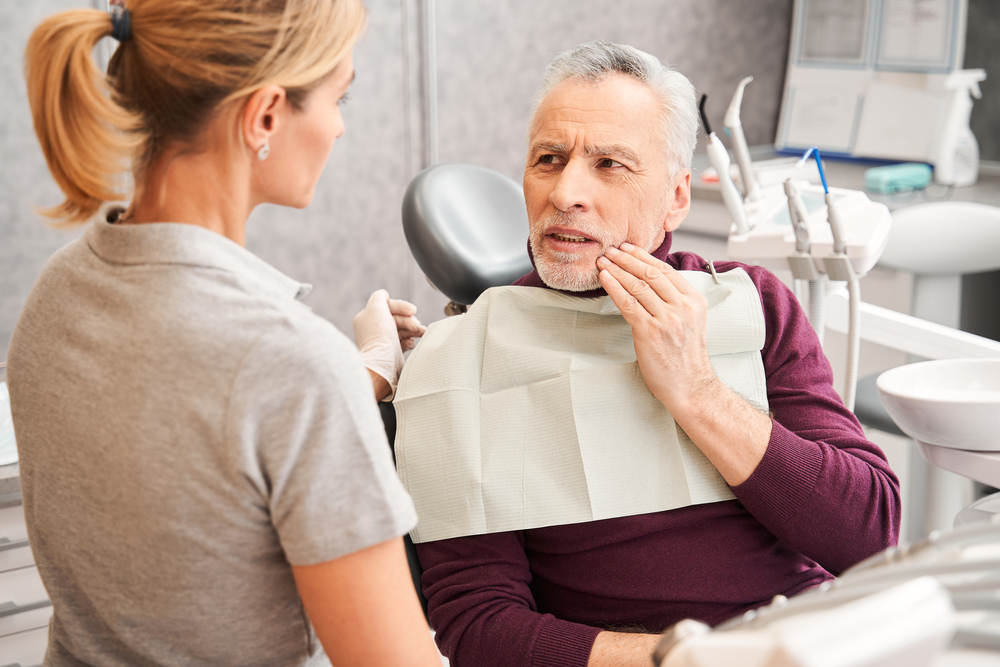
How to Relieve Dental Pain While Waiting for an Emergency Dentist (Glendale Edition)
Dental pain has a unique way of hijacking your focus, making it impossible to eat, sleep, or concentrate. When a severe toothache strikes, every minute can feel like an hour as you wait for professional help. While the only true solution for significant dental pain is to see a dentist, there are safe and effective measures you can take at home to manage the discomfort in the interim. This is especially crucial when you’re dealing with sudden, intense pain after business hours or on a weekend.For our community in Glendale, CA, understanding how to safely handle emergency dental pain can provide much-needed relief and prevent the situation from worsening. At Infinite Dental Wellness, we know that these situations are stressful and painful. This guide is designed to empower you with practical, safe at-home remedies to temporarily relieve tooth pain. More importantly, we’ll help you recognize the warning signs that indicate your pain is a symptom of a dangerous condition requiring immediate attention.This article is your first-aid manual for dental pain. We will explore safe over-the-counter options, natural remedies, and crucial techniques to protect your oral health while you arrange to see an emergency dentist.Understanding Your Tooth Pain: What Is It Telling You?
Tooth pain, or toothache, is not a disease in itself but a symptom that something is wrong. The pain is your body’s alarm system, signaling inflammation or damage to the tooth or surrounding tissues. The type and intensity of the pain can offer clues about the underlying cause.Common Causes of Dental Pain
- Tooth Decay (Cavities): This is the most frequent culprit. When acids from plaque bacteria erode the tooth’s hard outer enamel, they can expose the sensitive dentin layer or, in advanced cases, the inner pulp where the nerves reside.
- Dental Abscess: A severe, throbbing pain could signal an abscess—a pocket of pus caused by a bacterial infection at the tooth’s root or in the gums. This is a serious condition.
- Gum Disease (Periodontitis): Inflamed, infected, or receding gums can cause sensitivity and aching.
- Cracked or Broken Tooth: A fracture in the tooth can expose the sensitive inner layers, causing sharp pain, especially when biting.
- Damaged Filling or Crown: A lost or damaged restoration can expose the vulnerable tooth structure underneath.
- Impacted Tooth: A tooth (often a wisdom tooth) that is stuck in the jaw and unable to erupt properly can cause significant pressure and pain.
- Sinus Infection: The roots of your upper back teeth are located very close to your sinuses. Inflammation from a sinus infection can exert pressure on these roots, causing pain that mimics a toothache.
- Teeth Grinding (Bruxism): Chronic grinding or clenching can wear down teeth and strain the jaw muscles, leading to widespread dental pain.
Safe At-Home Remedies to Relieve Tooth Pain Temporarily
When you’re dealing with a painful toothache in Glendale and can’t get to the dentist immediately, these temporary measures can help you cope. Remember, these are for short-term relief only and are not a substitute for professional dental care.1. Salt Water Rinse
This is one of the oldest, simplest, and most effective first-aid treatments for dental pain. Salt is a natural disinfectant, and a warm salt water rinse can help in several ways:- Cleans the Area: It helps to dislodge food particles and debris trapped between teeth or in a cavity.
- Reduces Inflammation: The saline solution can help reduce swelling in the gum tissues.
- Fights Bacteria: It creates a temporary alkaline environment in the mouth that makes it harder for bacteria to thrive.
2. Cold Compress
A cold compress is excellent for relieving certain types of dental pain, particularly pain associated with swelling or trauma.- How it Works: The cold temperature constricts the blood vessels in the area. This helps to reduce swelling, inflammation, and nerve activity, which numbs the pain.
- How to Use: Wrap a bag of ice or a cold pack in a thin towel (do not apply ice directly to your skin). Apply the compress to the outside of your cheek over the painful area for 15-20 minutes at a time. Take a 20-minute break before reapplying. This is particularly effective for pain from an abscess or an impacted wisdom tooth.
3. Over-the-Counter (OTC) Pain Relievers
Anti-inflammatory medications are often the most effective choice for dental pain because most toothaches are caused by inflammation.- Nonsteroidal Anti-Inflammatory Drugs (NSAIDs): Medications like ibuprofen (Advil, Motrin) are usually the best option because they target both pain and inflammation.
- Acetaminophen: Acetaminophen (Tylenol) is another option that can help with pain, but it does not have the same anti-inflammatory properties as NSAIDs.
- Always follow the dosage instructions on the packaging.
- Do not place aspirin or any other painkiller directly against your gums or the aching tooth. This is a common myth, but it can cause a chemical burn on your gum tissue, leading to more pain.
- Be aware of any personal health conditions or other medications you are taking that might contraindicate the use of certain pain relievers.
4. Clove Oil (Eugenol)
Clove oil is a traditional remedy that has been used for centuries to treat toothaches, and for good reason. It contains eugenol, a natural antiseptic and anesthetic.- How it Works: Eugenol has numbing properties that can provide temporary relief from surface pain.
- How to Use: You can find clove oil in most pharmacies or health food stores. Put a few drops of clove oil onto a cotton ball or cotton swab. Gently dab the cotton onto the painful tooth and surrounding gum area. Be careful not to swallow the oil and try to keep it localized to the sore spot, as it can irritate sensitive soft tissues if applied too widely.
5. Keep Your Head Elevated
When you lie down flat, blood can rush to your head, increasing pressure in the sensitive, inflamed areas of your mouth. This can make a throbbing toothache feel significantly worse, especially at night.- How to Do It: When resting or sleeping, use an extra pillow or two to prop your head up. This simple change can help to alleviate some of the throbbing pressure and make it easier to rest.
6. Garlic
Garlic is another traditional remedy with potent medicinal properties. It contains allicin, a compound with natural antibacterial effects.- How to Use: You can make a paste by crushing a clove of garlic and mixing it with a little salt. Apply this paste directly to the affected tooth. Alternatively, you can slowly chew a fresh clove of garlic with the painful tooth if you can tolerate it. Be aware that this can be quite pungent and may cause some initial stinging.
7. Peppermint Tea BagsGet Your Confident Smile — Book Today
Ready when you are. Our team at Infinite Dental Wellness makes scheduling a breeze and welcomes new patients for cleanings, cosmetic care, or dental emergencies.
Schedule a Visit
Peppermint has mild numbing properties and can be soothing for sensitive gums.Get Your Confident Smile — Book Today
Ready when you are. Our team at Infinite Dental Wellness makes scheduling a breeze and welcomes new patients for cleanings, cosmetic care, or dental emergencies.
Schedule a Visit- How to Use: You can use a warm, wet peppermint tea bag and hold it against the affected area. The warmth can be comforting. Alternatively, for a cooling effect, place a used tea bag in the freezer for a few minutes before applying it to the painful tooth.
When Dental Pain Signals Danger: Red Flags You Can’t Ignore
While the remedies above can help you manage discomfort, some symptoms are signs of a serious and potentially life-threatening condition. If you experience any of the following, you need to seek emergency dental or medical care immediately. The goal is no longer just to relieve tooth pain in Glendale; it’s to protect your overall health.Sign #1: Severe, Throbbing Pain with Swelling
If your toothache is severe, constant, and accompanied by swelling in your cheek, jaw, or gums, you may have a dental abscess.- What it Means: An abscess is a localized infection that creates a pocket of pus. The throbbing pain is caused by the pressure building up. The swelling indicates that the infection is spreading to the surrounding soft tissues.
- The Danger: An untreated abscess can lead to sepsis (a life-threatening body-wide infection), Ludwig’s angina (which can block your airway), or even a brain abscess.
- Action Needed: This is a major dental emergency. You need to see a dentist immediately. If you cannot reach a dentist, go to a hospital emergency room.
Sign #2: A Fever Accompanying Your Toothache
A fever is your body’s systemic response to fighting an infection. A toothache combined with a fever is a clear sign that the infection is no longer contained to just the tooth.- What it Means: The bacteria from your dental infection may have entered your bloodstream.
- The Danger: This is a sign that the infection is becoming more serious and could be progressing toward sepsis.
- Action Needed: Call your emergency dentist in Glendale, CA, immediately. Be sure to tell them you have a fever. If your temperature is high or you feel generally unwell, consider going to an urgent care center or hospital.
Sign #3: Difficulty Breathing or Swallowing
This is the most critical red flag. If swelling from your dental infection has spread to the floor of your mouth or your neck, it can begin to constrict your airway.- What it Means: You may be developing Ludwig’s angina, a rapidly spreading infection that causes massive swelling under the tongue and in the neck.
- The Danger: This is a life-threatening medical emergency. Airway obstruction can happen quickly.
- Action Needed: Do not wait. Go to the nearest hospital emergency room immediately or call 911.
Sign #4: A Foul Taste in Your Mouth and Pain Relief
If you experience a sudden rush of salty, foul-tasting, and foul-smelling fluid in your mouth, followed by a noticeable decrease in pain, your abscess may have ruptured.- What it Means: The pressure has been released, which is why the pain subsides. However, the source of the infection is still there.
- The Danger: While the pain relief might feel like a good thing, it provides a false sense of security. The infection is still active and needs to be professionally treated to prevent it from recurring and causing further damage.
- Action Needed: You still need to see a dentist as soon as possible to have the area cleaned and the source of the infection addressed (e.g., through a root canal or extraction).
Sign #5: Pain Following an Injury or Trauma
If your tooth pain started after a fall, a sports injury, or any blow to the face, you need to be seen right away.- What it Means: The tooth could be cracked, broken, or even displaced in its socket. The damage may not be visible.
- The Danger: An untreated fracture can allow bacteria to enter the pulp, leading to infection. It can also cause the tooth to break further, potentially to a point where it cannot be saved.
- Action Needed: This is a dental emergency. Prompt treatment offers the best chance of saving the tooth.
How to Prevent Future Emergency Dental Pain
The best way to manage emergency dental pain is to prevent it from ever happening. The vast majority of dental emergencies are the result of untreated, pre-existing conditions.- Maintain Excellent Oral Hygiene: Brush twice a day with fluoride toothpaste and floss daily. This is your first line of defense against the decay and gum disease that cause most toothaches.
- Schedule Regular Dental Check-ups and Cleanings: Visiting your Glendale dentist every six months allows us to identify and treat problems like small cavities or early-stage gum disease long before they become painful emergencies. Professional cleanings remove tartar buildup that you can’t get at home.
- Wear a Mouthguard: If you play contact sports, a custom-fitted mouthguard is essential for protecting your teeth from trauma. If you grind your teeth at night, a nightguard can prevent wear, cracks, and fractures.
- Eat a Balanced Diet: Limit sugary and acidic foods and drinks that fuel decay-causing bacteria. A diet rich in vitamins and minerals helps keep your teeth and gums strong.
- Don’t Use Your Teeth as Tools: Avoid using your teeth to open packages, cut tape, or bite on hard objects like pens or ice. This can easily lead to a chipped or cracked tooth.
