
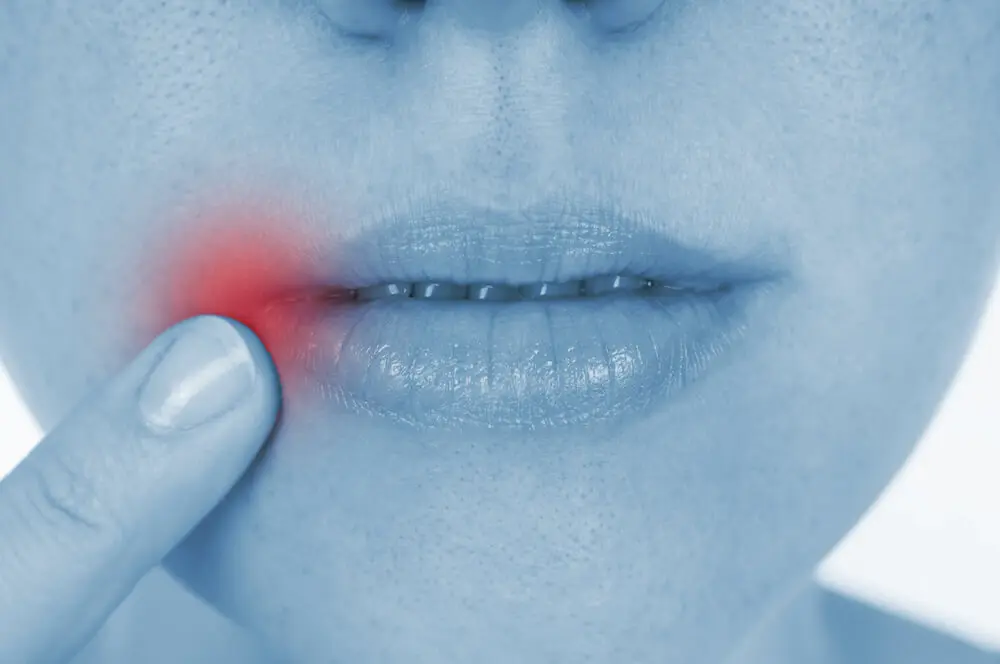
Cavities are not just a childhood problem. Many adults are surprised to develop new decay well into their thirties, forties, and beyond, often in places they never had trouble before. Shifting diets, receding gums, dry mouth from medications, and decades of wear all change the cavity equation as we age. The good news is that adult cavities are highly preventable with the right habits. At Infinite Dental Wellness in Glendale, CA, we help patients of every age keep their natural teeth healthy. Here is a practical, dentist-approved plan for staying cavity-free as an adult.
Why Adults Still Get Cavities
A cavity forms when bacteria in plaque feed on sugars and produce acids that erode tooth enamel. While children get cavities mostly on chewing surfaces, adults face some unique risk factors. As gums naturally recede with age, the softer root surfaces become exposed and decay more easily. Dry mouth, often a side effect of common medications, reduces the protective, acid-neutralizing saliva in your mouth. Older fillings can wear or crack, creating new spaces for bacteria to hide. Understanding these risks is the first step to outsmarting them.
Build a Strong Daily Routine
Consistent home care is the foundation of cavity prevention. The essentials are simple but powerful:
- Brush twice a day for two minutes with fluoride toothpaste
- Floss once daily to clean between teeth where cavities often start
- Use a soft-bristled brush and replace it every three to four months
- Consider an antibacterial or fluoride mouth rinse for extra protection
- Don't brush immediately after acidic foods; rinse with water and wait
The Power of Fluoride
Fluoride strengthens enamel and can even reverse the earliest stages of decay before a cavity fully forms. Most adults get enough from fluoride toothpaste and tap water, but those at higher risk may benefit from a professional fluoride treatment or a prescription-strength toothpaste. If you are prone to cavities, ask your dentist whether extra fluoride makes sense for you.
Watch What and How Often You Eat
Diet plays a major role in decay, and frequency matters as much as quantity. Every time you eat or drink something sugary or acidic, your enamel faces an acid attack that lasts about 20 minutes. Constant snacking and sipping keep your teeth under near-continuous assault. Try to limit sugary and starchy snacks between meals, and be especially mindful of sticky candies and sweetened drinks that linger on the teeth.
- Choose water over soda, juice, and sweetened coffee drinks
- Snack on cheese, vegetables, and nuts that don't feed decay
- Drink sugary or acidic beverages with meals rather than sipping all day
- Chew sugar-free gum to boost saliva flow after eating
- Rinse with water when you can't brush after a meal
Protect Older Fillings and Dental Work
If you have fillings, crowns, or other restorations from years past, they deserve special attention. No dental work lasts forever, and over time fillings can wear, crack, or develop tiny gaps at the edges where they meet your tooth. Those gaps become hiding places for bacteria, leading to new decay underneath or around the restoration, often without any obvious symptoms. This kind of recurrent decay is a common reason adults end up needing treatment on a tooth they thought was already fixed, and it can be especially tricky because the decay may be hidden beneath the existing restoration where you cannot see or feel it. Regular checkups let your dentist inspect existing dental work and replace anything that is failing before decay has a chance to spread deeper into the tooth.
Don't Underestimate Dry Mouth
Saliva is one of your body's best natural defenses against cavities, washing away food particles and neutralizing acids. Many adults experience dry mouth as a side effect of medications for blood pressure, allergies, anxiety, and more. If your mouth often feels dry, stay well hydrated, chew sugar-free gum, and tell your dentist, who can recommend products that restore moisture and protect your teeth.
What Happens When a Cavity Does Form
Even with great habits, a cavity can occasionally slip through, and knowing what to expect takes the worry out of treatment. The key is acting early. A cavity caught in its earliest stage is small and simple to fix, usually with a tooth-colored composite filling that restores the tooth in a single visit and blends in naturally. The longer decay is left untreated, the deeper it travels. Once it reaches the inner pulp where the nerve lives, the tooth may need a root canal followed by a crown to save it. This is exactly why early detection at routine checkups is so valuable; it keeps treatment on the simple, conservative end of the spectrum.
Pay attention to early warning signs so you can act before a small problem grows. Sensitivity to hot, cold, or sweet foods, a persistent ache, a visible dark spot, or a rough edge you can feel with your tongue all warrant a call to your dentist. Catching decay at this point often means a quick, affordable fix.
Professional Prevention Makes the Difference
Even diligent home care leaves some plaque behind, and only a professional cleaning removes hardened tartar. Regular checkups also let your dentist catch early decay when it can be treated conservatively, often with a small composite filling rather than a larger restoration. For patients prone to decay in the grooves of their back teeth, dental sealants add a protective barrier that shields the most vulnerable surfaces. Your dentist can also apply professional fluoride treatments and recommend a personalized prevention plan based on your individual risk factors. Combining good habits at home with consistent preventative dental care is the most reliable formula for keeping your natural teeth for life.
Whether you are overdue for a cleaning or want a personalized prevention plan, the team at Infinite Dental Wellness in Glendale, CA is ready to help. We accept all PPO insurance. Call (818) 541-1110 today to schedule your visit and keep cavities at bay.