
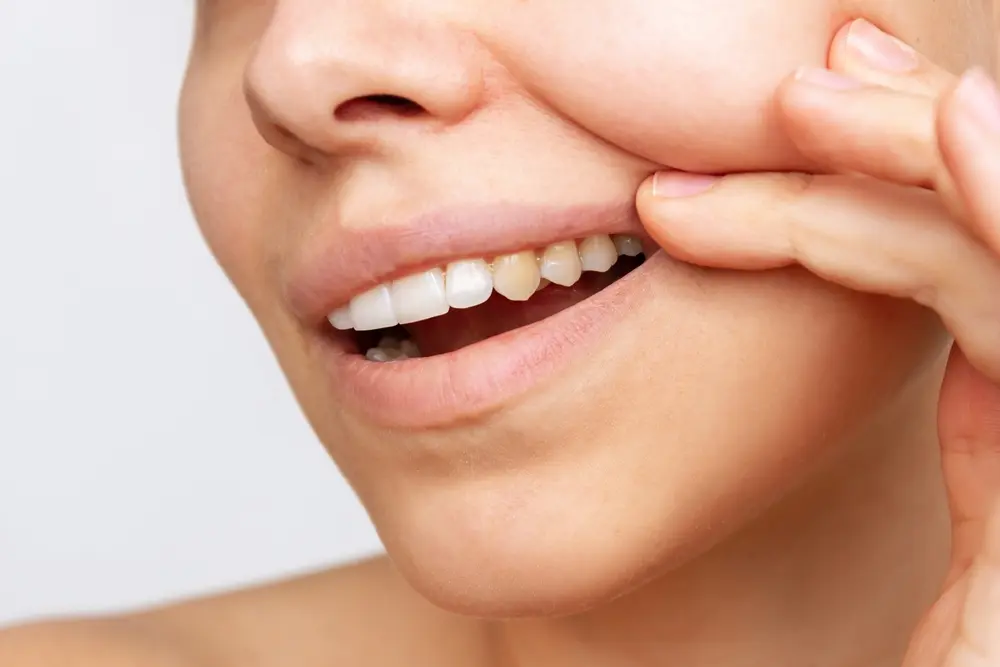
A dental crown is one of the most versatile restorations in dentistry. It caps a damaged, weak, or treated tooth to restore its strength, shape, and appearance, and it can last for many years with proper care. If you are considering a crown or already have one, you are probably wondering how long you can expect it to last and what you can do to make it last even longer. The answer depends on several factors, but with good habits, most crowns provide reliable service for a long time. Here is what you should know, from the team at Infinite Dental Wellness in Glendale, CA.
The Average Lifespan of a Dental Crown
Most dental crowns last somewhere between five and fifteen years, and many remain in excellent condition even longer. The wide range exists because longevity depends heavily on the material used, where the crown is located in the mouth, and how well it is cared for at home. A crown on a back molar endures more chewing force than one on a front tooth, while excellent oral hygiene and regular checkups can push a crown well past its expected lifespan. Rather than a fixed expiration date, think of a crown as a long-term investment that responds to how you treat it.
It is also worth remembering that a crown rarely simply wears out on a schedule. More often, a crown reaches the end of its life because of something happening to the tooth underneath it or the gums around it, rather than the crown itself failing. That is encouraging news, because it means much of a crown's longevity is within your control. The patients whose crowns last the longest tend to be the ones who keep up consistent home care and never skip their routine dental visits.
What Affects How Long a Crown Lasts
Several factors influence the lifespan of your crown. Understanding them helps you get the most out of your restoration:
- Material: Porcelain, ceramic, and metal-based crowns each have different durability.
- Location: Crowns on back teeth absorb more chewing pressure than front teeth.
- Oral hygiene: Daily brushing and flossing protect the tooth beneath the crown.
- Habits: Grinding, nail biting, and chewing ice shorten a crown's life.
- Bite and alignment: An uneven bite places extra stress on the crown.
- Underlying tooth health: Decay at the crown's edge can undermine it.
The Tooth Under the Crown Still Matters
It is a common misconception that a crowned tooth cannot get a cavity. While the crown itself does not decay, the natural tooth underneath and the gumline where the crown meets the tooth remain vulnerable. Plaque buildup at that margin can lead to decay that loosens the crown over time. This is why daily flossing and consistent dental cleanings are so important for anyone with a crown, and why crowns rarely fail because of the cap itself. Keeping the gums healthy is equally important, since gum recession can expose the edge of the crown and the root surface to decay.
How to Make Your Crown Last Longer
The best ways to extend the life of a crown are simple and within your control. A consistent oral care routine and a few protective habits can add years to your restoration, and they cost nothing more than a little attention each day. Here are the habits that make the biggest difference:
- Brush twice daily and floss around the crown every day.
- Pay special attention to the gumline where the crown meets the tooth.
- Avoid chewing ice, hard candy, and other very hard objects.
- Wear a night guard if you grind or clench your teeth while sleeping.
- Do not use your teeth as tools to open packages, bottles, or stubborn wrappers.
- Keep up with six-month checkups and professional cleanings.
- Limit sugary and acidic foods that can weaken the tooth around the crown.
Signs Your Crown May Need Replacing
Crowns do not last forever, and knowing the warning signs helps you act before a small issue becomes a bigger one. Contact your dentist if your crown feels loose, if you notice pain or sensitivity around the crowned tooth, if you can see a dark line or gap at the gumline, if the crown is visibly chipped or worn, or if your gums around the crown are swollen. Catching these problems early often allows the crown to be repaired or replaced before the underlying tooth is harmed. A crown that feels loose, in particular, should be checked promptly, because a gap between the crown and tooth lets bacteria reach the vulnerable surface underneath.
When a Crown Is the Right Choice
Crowns are recommended for a variety of situations, including protecting a tooth after root canal treatment, restoring a tooth that is cracked or badly worn, covering a large filling, or improving the appearance of a misshapen tooth. Because a crown restores both function and looks, it is a cornerstone of restorative care. If a tooth is missing entirely, crowns also serve as the supports for a dental bridge. Your dentist can help you decide whether a crown is the best solution for your situation.
When a crown is the right choice, it offers benefits that a simple filling cannot. By wrapping the entire visible portion of the tooth, a crown holds the structure together and shields it from the daily forces that would otherwise cause a weakened tooth to crack. For a tooth that has already been through a lot, this protection is often what allows it to remain in service for many more years. A well-fitted crown also blends naturally with your other teeth, so it looks and feels like a normal part of your smile.
Whether you need a new crown or want to protect one you already have, Infinite Dental Wellness is here to help your smile last. Our USC-trained husband-and-wife dentists, Drs. Call us at (818) 541-1110 to schedule a checkup at our Glendale, CA office today.