
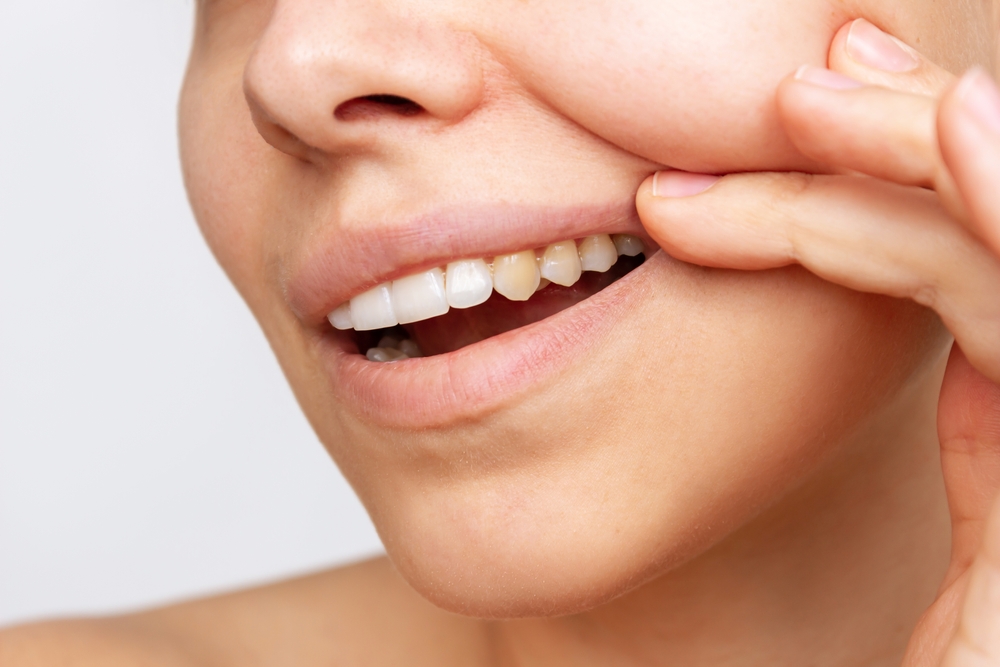
Understanding Dental Staining
Extrinsic Staining
- Food and Beverages : Consuming foods like berries, soy sauce, and beverages such as coffee, tea, and red wine can lead to staining over time. The pigments in these substances can adhere to the enamel, resulting in noticeable discoloration. To minimize staining, consider rinsing your mouth with water after consuming these items or brushing your teeth afterward.
- Tobacco Use : Smoking or chewing tobacco is notorious for causing significant staining. The nicotine and tar in tobacco products can create a yellow or brown tint on teeth, making it important for users to be aware of the long-term effects on their oral health. Quitting tobacco not only benefits your teeth but also improves overall health.
- Poor Oral Hygiene : Neglecting regular brushing and flossing can lead to plaque build-up, which can eventually cause stains. Maintaining a consistent oral care routine is crucial for preventing extrinsic stains. Incorporating mouthwash into your routine can also help combat plaque and freshen breath.
- Acidic Foods : Consuming acidic foods like citrus fruits and vinegar can weaken enamel over time, making it more susceptible to stains. While these foods offer health benefits, it’s vital to balance their consumption and practice good oral hygiene after indulging.
Intrinsic Staining
Get Your Confident Smile — Book Today
Ready when you are. Our team at Infinite Dental Wellness makes scheduling a breeze and welcomes new patients for cleanings, cosmetic care, or dental emergencies.
- Medications : Certain medications, particularly antibiotics like tetracycline, can lead to discoloration if taken during childhood or pregnancy when teeth are still developing. It’s important to discuss any concerns with your healthcare provider to explore alternative options if necessary.
- Fluorosis : Excessive fluoride exposure during childhood can lead to dental fluorosis, characterized by white spots or streaks on teeth. While fluoride is essential for dental health, moderation is key. Be mindful of fluoride levels in your drinking water and dental products.
- Genetics : Some individuals may naturally have thicker or thinner enamel, affecting the appearance of their teeth. Inherited traits can influence how susceptible someone is to dental staining. Knowing your family history can provide insights into your own dental care needs.
- Aging : As we age, the enamel naturally wears down, revealing the darker dentin underneath. This process can lead to a more yellow appearance. Regular dental check-ups can help monitor enamel health and provide preventive measures.
- Limit Stain-Causing Foods and Drinks : While it may be difficult to completely eliminate your favorite foods and beverages, moderation is essential. Consider using a straw when drinking beverages like soda or red wine to minimize contact with your teeth. Additionally, opting for lighter-colored alternatives can help reduce staining potential.
- Practice Good Oral Hygiene : Brush your teeth at least twice a day and floss daily. Regular dental check-ups can help maintain your oral health and prevent stains. Using a whitening toothpaste can also aid in reducing surface stains while supporting overall enamel health.
- Stay Hydrated : Drinking plenty of water throughout the day can wash away food particles and reduce the risk of staining. Hydration helps maintain saliva production, which is essential for neutralizing acids and protecting enamel.
- Use a Mouthguard : If you engage in sports or grind your teeth at night, using a mouthguard can protect against enamel wear and subsequent staining. Discuss options with your dentist to find a suitable solution for your needs.
Achieving a Brighter Smile
- Professional Whitening : One of the most effective treatments is professional teeth whitening, which can provide noticeable results in just one visit to our Glendale cosmetic dentist. This method is customized to your needs and ensures safety while achieving optimal results.
- At-Home Whitening Kits : If you prefer to whiten your teeth at home, we offer customized whitening kits that are safe and effective. These kits are tailored to your specific dental needs and can be used at your convenience.
- Veneers : For more severe staining, dental veneers can provide a long-term solution. These thin shells are placed over the front of your teeth to conceal imperfections and enhance your smile. Veneers can also correct issues with shape and alignment, offering a comprehensive cosmetic solution.
- Regular Maintenance : After achieving your desired brightness, maintaining your results is vital. Schedule regular cleanings with your dentist and continue following good oral hygiene practices to keep your smile radiant.