
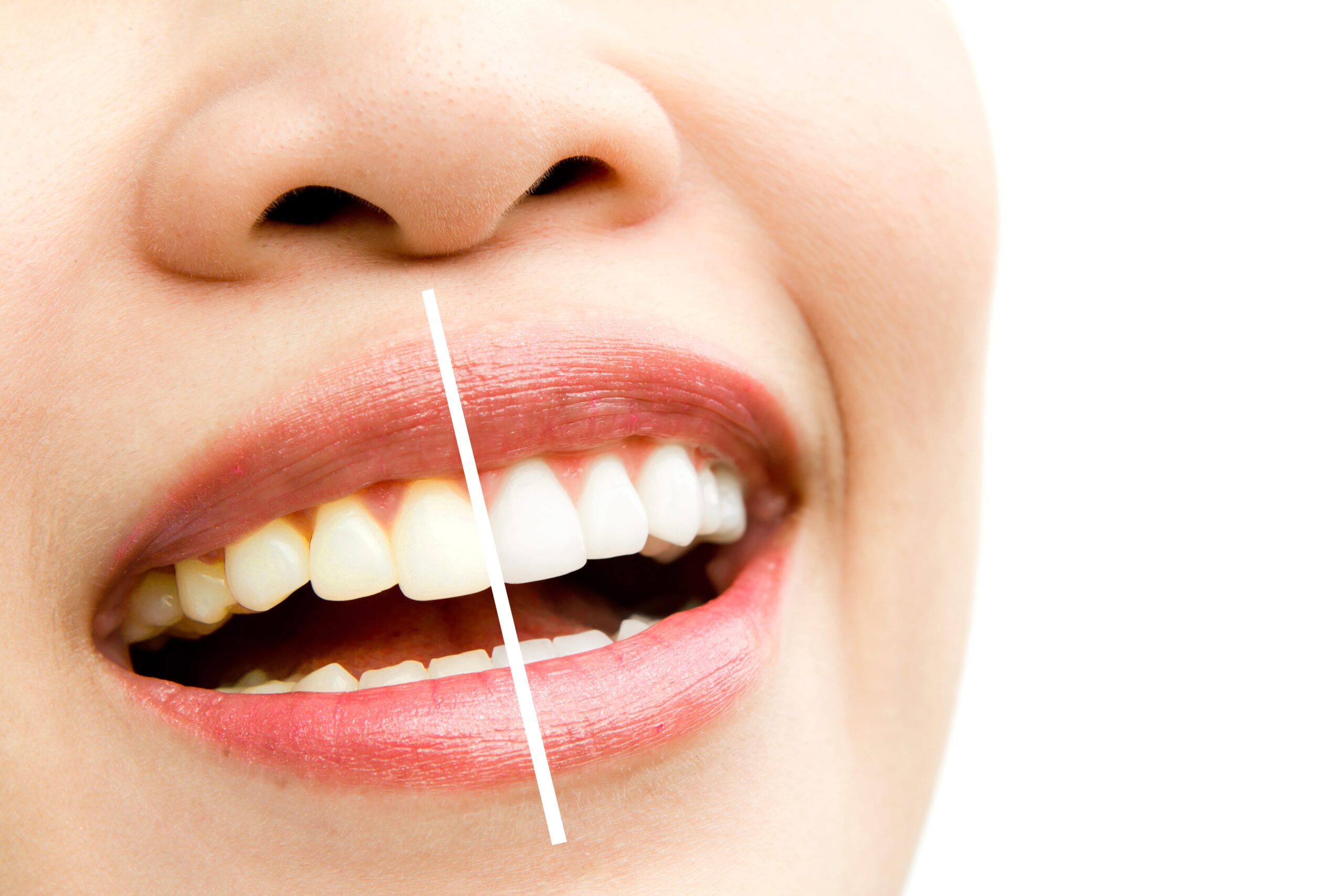
Over time, you will probably notice your teeth are not as white as they used to be. Don’t worry though as it is common, and a variety of factors cause this to happen. However, of course, we’d still want our teeth to look their best and always keep them healthy! Don’t you fret because thanks to modern science, there are effective ways to keep our set of pearly whites at its finest.
But before we delve into that, let’s take a closer look at some of the most common reasons behind tooth discoloration.
Aging
Aging certainly brings about a lot of changes to us, our physical features undergoing the most obvious transformation. That includes our teeth, which apparently, also age through discoloration. If you compare a photo of yourself from when you were younger to your present photo, you may notice that your set of teeth now may not be as luminous as they were when you got your first set of permanent teeth. This is because of your enamel’s outer layer wearing out over time, which then brings out the natural color of the dentin – one of the major components of the teeth that is yellow in appearance.
Poor Dental Hygiene
While it is true that the teeth undergo discoloration through aging, there’s also a chance for young ones to experience teeth discoloration early if their set of pearly whites aren’t cared for accordingly. This is why dental hygiene greatly matters, whatever your age may be. The lack of proper brushing, rinsing, flossing, and general cleaning will lead to plaque and stain build-up, hence, turning your pearly whites into yellow.
Food, Drinks, and Medicines
These are one of the leading causes that contribute to teeth discoloration, but it’s not like they are entirely to blame since these are basically essential needs that we need to intake for our body. However, we can’t deny that some of the food and drinks that we intake have strong colorings or ingredients that leave stain marks on our teeth. This includes the likes of caffeinated drinks like coffee, tea, and soda. Foods with high starch content like potatoes and pasta also contribute to staining.
Certain medications are also known to stain the teeth due to their chemical composition. Some antibiotics and antihistamines are some examples. Meanwhile, even mouthwash is found to play a role in teeth discoloration, despite helping kill off bacteria in our mouth and making our breath fresher. This is because of the presence of the chemical chlorhexidine and cetylpyridinium chloride that contribute to the staining.