Root Canal Treatment in Glendale, CA: FAQs
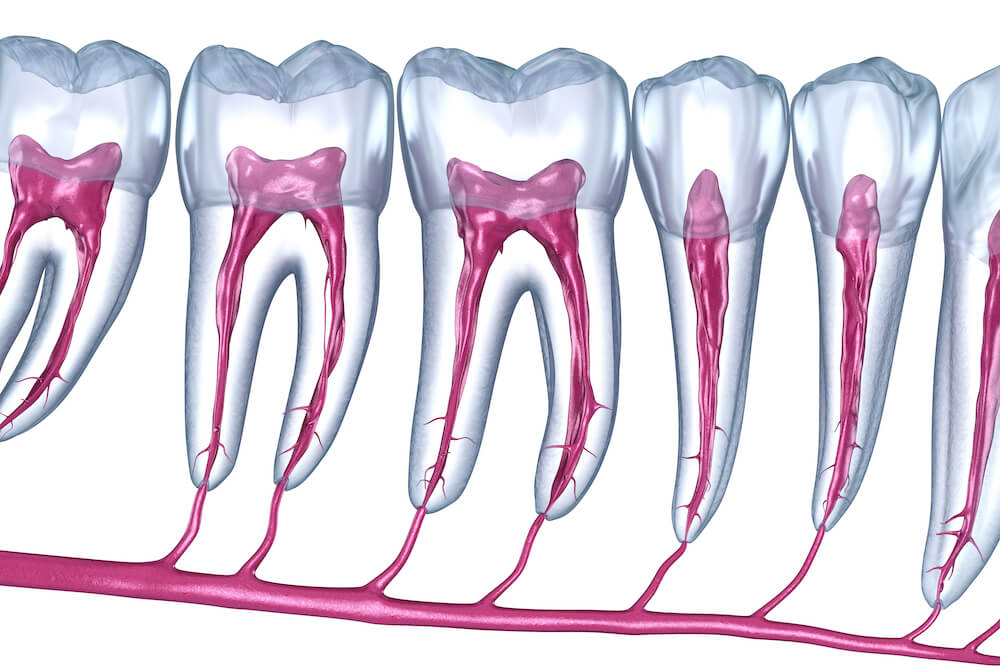
What is a root canal treatment?
A root canal is a serious dental procedure that removes the infected or inflamed pulp of a tooth.How painful is a root canal treatment?
These days (thanks to modern technology!), a root canal procedure isn’t as daunting as it had been originally perceived to be. It is generally painless as anesthesia is applied by the dentist to numb your tooth.How long does a root canal treatment last?
A root canal treated tooth may last between 8-10 years, or even a lifetime if proper oral maintenance is applied.How long do root canals hurt?
As mentioned previously, a root canal treatment is generally painless because of the anesthesia. Should there be any pain, it’s usually mild and there’s a bit of discomfort as your tooth adjusts, and will only last for 3 days at the most. However, if the pain goes beyond the said time frame, it’s best seek for your dentist’s advice.What medications can I take to relieve the discomfort from the root canal treatment?
Any anti-inflammatory medications will do like Aspirin or Ibuprofen, which is highly recommended.Do I need a crown after a root canal?
Not necessarily, but a dental crown can help a lot with tooth reinforcement which is vital for your tooth’s health and functionality.What are the advantages of root canal treatments?
A root canal treatment offers a lot of benefits, such as getting to keep your set of teeth healthy, where it can prevent the further spread of infection coming from the decaying tooth. Moreover, it’ll also get rid of the toothache as well, making your sets of pearly whites more presentable, while at the same time, it can save the aching or infected tooth from completely deteriorating.Are there any other ways to treat root canal?
Some alternatives to root canal treatment are as follow:- Dental implants
- Tooth Extraction
- Dental Bridge
- Dental Crown
What are the side effects of root canal treatment?
There might be some mild discomfort and pain as well as swelling of the mouth. You may also experience uneven biting for a few days.What should I not do before a root canal treatment?
As a root canal is a serious dental procedure, here are some of things that you should prevent from doing before undergoing your treatment:Avoid any form of alcohol intake. It may add to feelings of uneasiness and discomfort during the procedure. Painkillers and antibiotics are unnecessary, so it’s best to avoid them as well prior to the treatment. They may have adverse drug interaction with local anesthesia.Can I be put to sleep for a root canal treatment?Get Your Confident Smile — Book Today
Ready when you are. Our team at Infinite Dental Wellness makes scheduling a breeze and welcomes new patients for cleanings, cosmetic care, or dental emergencies.
Schedule a Visit
More often than not, root canal patients are only put under anesthesia for the procedure, so putting a patient to sleep for this treatment is not common, unless it is extremely needed to calm severe fear and anxiety that can disrupt the treatment process. You may coordinate with your dentist about it.Get Your Confident Smile — Book Today
Ready when you are. Our team at Infinite Dental Wellness makes scheduling a breeze and welcomes new patients for cleanings, cosmetic care, or dental emergencies.
Schedule a VisitCan I go to work after a root canal treatment?
Recovery from a root canal treatment takes about 24 hours. After which, you’d be ready to go about your daily routine and activities.Can I eat after a root canal procedure?
Yes! You can eat right after a procedure, but it’s important to let the numbness subside so that the uneven biting occurrence would lessen too, because you might end up biting the inside of your cheek or your tongue. Moreover, there are foods to avoid, which we shall answer on the next question below!What types of food should I avoid after a root canal procedure?
Steer clear of crunchy, hard solid foods such as carrots, apples, biscuits, and corn cob to name a few, as well as chewy, sticky foods like bread, gum, and meat. Make sure to also be careful with your drinks, especially hot ones as your newly treated tooth may still be sensitive from the procedure.When will I need a root canal treatment?
You’ll know it’s time for a root canal treatment if you experience or have any of these things:- Toothache and extreme sensitivity to hot and cold sensations
- Swelling gums
- Tooth decay
