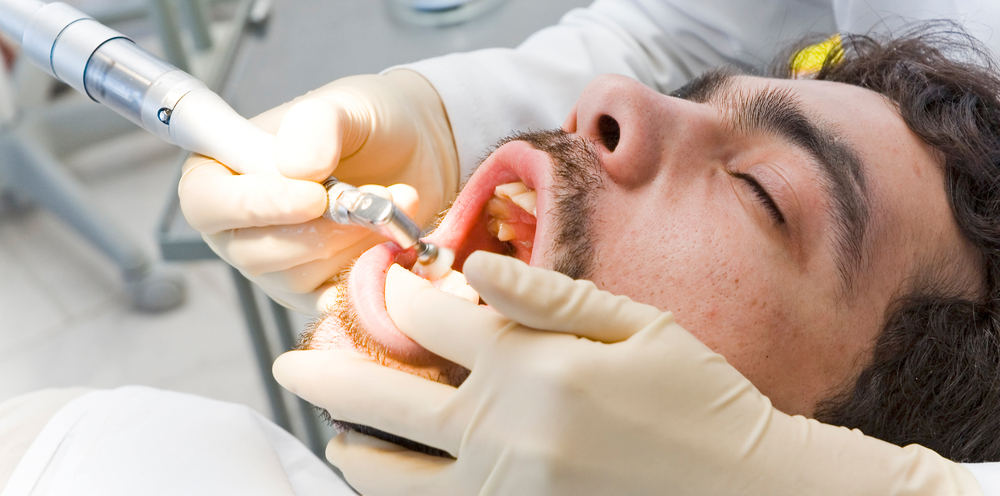
The Most Common Dental Emergencies in Glendale, CA—According to Our Dentists
Glendale is a vibrant city, bustling with activity from the Brand Boulevard shops to the hiking trails of the Verdugo Mountains. But amidst the daily hustle, dental emergencies have a way of stopping life in its tracks. Whether it is a sudden, sharp pain while enjoying dinner at The Americana or a chipped tooth during a weekend pickup basketball game, dental crises are more common than most people realize.At Infinite Dental Wellness, we have treated thousands of urgent cases over the years. By analyzing patient visits and local trends, we have identified the specific types of dental trauma and infections that frequently affect our community. This isn’t just about listing problems; it is about understanding why they happen here and how you can protect yourself.This comprehensive guide breaks down the common dental emergencies Glendale residents face most often. We will explore the causes, the immediate steps you should take, and the professional treatments available to restore your smile.The Reality of Dental Emergencies in Our Community
It is easy to think, “That won’t happen to me.” But the statistics tell a different story. Dental emergencies account for a significant portion of healthcare visits every year. In Glendale specifically, we see a unique mix of sports-related injuries, stress-induced conditions, and issues stemming from delayed routine care.Understanding the “top dental emergencies” helps demystify the experience. When you know what is happening, panic is replaced by action. And in dental trauma, quick action is often the difference between saving a tooth and losing it.Here are the most frequent emergencies we see walking through our doors at Infinite Dental Wellness, ranked by prevalence and urgency.1. The Severe Toothache: The Number One Culprit
By far, the most common reason patients call our emergency line is unmanageable pain. A severe toothache is rarely a standalone event; it is usually the climax of a long-developing issue.Why It Happens
While a toothache can feel sudden, the underlying cause has often been brewing for months. The most frequent triggers include:- Deep Decay: Cavities that have penetrated the enamel and dentin, reaching the sensitive nerve pulp.
- Abscesses: Infections at the root of the tooth that create intense pressure.
- Bruxism: Chronic grinding that has inflamed the ligament holding the tooth in place.
The Glendale Data
We see a spike in toothache cases during high-stress periods—holiday seasons and tax time—suggesting that stress-induced clenching plays a major role in exacerbating underlying issues. Additionally, many patients admit to delaying routine Dental Cleaning and Examinations, allowing minor cavities to evolve into major pain.What to Do Immediately
- Rinse: Swish with warm salt water to clean the area and reduce inflammation.
- Floss: Gently floss around the tooth to ensure no food debris is wedged against the gum, mimicking a toothache.
- Medicate: Take an over-the-counter anti-inflammatory like ibuprofen (if medically safe for you).
- Call Us: Do not apply aspirin directly to the gum (a common myth), as this burns the tissue. Contact our Emergency Dentist immediately.
2. Chipped or Broken Teeth
Given the active lifestyle of many Glendale residents, physical trauma to the teeth is incredibly common. From cycling accidents in the Verdugos to simple mishaps like biting into a hard piece of candy, enamel fractures happen daily.The Severity Spectrum
Not all breaks are created equal. We categorize them into three levels:- Craze Lines: Tiny cracks in the enamel that cause no pain and require no treatment other than cosmetic polishing.
- Chipped Enamel: A piece of the outer shell breaks off. It may not hurt, but the sharp edge can cut your tongue.
- Fractured Cusp or Split Root: A deep break that affects the chewing surface or extends below the gum line. This is usually painful and threatens the tooth’s survival.
What to Do Immediately
If you break a tooth, try to find the fragment. In some cases, we can reattach it. Rinse your mouth with warm water and cover any sharp edges with dental wax or sugar-free gum to protect your cheek.Professional Treatment
Treatment depends on the depth of the break:- Bonding: For minor chips, we use tooth-colored resin to reshape the tooth. (Learn more about Dental Bonding).
- Veneers: For larger cosmetic breaks on front teeth.
- Crowns: If a significant portion of the tooth is missing, a crown provides a “helmet” of protection. (See our Dental Crowns page).
3. Knocked-Out Tooth (Avulsion)
This is the most time-sensitive of all top dental emergencies. Whether it happens during a high school football game or a fall at home, a knocked-out tooth is a terrifying experience. However, it is also one of the few emergencies where your immediate actions can directly save the tooth.The “Golden Hour”
You have roughly 30 to 60 minutes to get the tooth back into the socket for the highest chance of reattachment. After an hour, the cells on the root surface begin to die, making reimplantation much less successful.The Protocol
- Handle with Care: Pick the tooth up by the crown (the white part), never the root. Touching the root damages the delicate ligament cells.
- Rinse Gently: If it’s dirty, rinse it briefly with milk or water. Do not scrub it or use soap.
- Reinsert: Try to place the tooth back into the socket immediately. Bite down gently on a clean cloth to hold it in place.
- Preserve: If you can’t put it back in, place the tooth in a container of cold milk or use a tooth preservation kit (Save-A-Tooth). Do not store it in water, as water can damage the root cells.
- Go: Get to our office immediately.
4. Lost Fillings or Crowns
Restorative dentistry is durable, but it isn’t indestructible. Old fillings can weaken over decades, and crowns can lose their cement bond due to sticky foods or decay developing underneath.Why It’s an Emergency
It might seem like a minor annoyance, but a lost restoration leaves the sensitive inner layers of your tooth exposed.- Sensitivity: The exposed dentin is highly reactive to hot, cold, and sweet stimuli.
- Structural Weakness: Without the filling or crown, the remaining tooth structure is fragile and prone to crumbling.
- Infection Risk: Bacteria can rush into the open space, causing rapid decay or infecting the nerve.
What to Do Immediately
Keep the crown if you have it! We may be able to recement it. You can use a temporary dental cement (available at most pharmacies) to tack the crown back in place or cover the exposed filling cavity. This protects the tooth and reduces sensitivity until you see us.Do not use superglue. It is toxic and can damage the tooth, making proper repair impossible.5. Dental Abscesses and Swelling
An abscess is a pocket of pus caused by a bacterial infection. It is one of the most dangerous common dental emergencies Glendale patients face because the infection can spread beyond the mouth.Identifying an Abscess
- A pimple-like bump on the gums
- Severe, throbbing pain
- Facial swelling
- Fever
- A foul taste in the mouth (if the abscess ruptures)
The Systemic Risk
Unlike a broken bone, a dental infection doesn’t stay put. If left untreated, the bacteria can travel through the jawbone into the neck, sinuses, or bloodstream. In rare but severe cases, this can lead to sepsis or airway obstruction.Treatment Approach
The priority is to drain the infection and relieve the pressure. This often involves:- Root Canal Therapy: To clean out the infection from inside the tooth. (Read about Root Canal Treatment).
- Antibiotics: To prevent systemic spread.
- Extraction: If the tooth is non-restorable.
6. Wisdom Tooth Pain (Pericoronitis)
For young adults in Glendale (typically ages 17-25), wisdom teeth are a leading cause of emergency visits.The Problem
When wisdom teeth don’t have enough room to erupt, they often get stuck (impacted) or only partially break through the gum. A flap of gum tissue can cover part of the tooth, trapping food and bacteria. This causes an infection called pericoronitis.SymptomsGet Your Confident Smile — Book Today
Ready when you are. Our team at Infinite Dental Wellness makes scheduling a breeze and welcomes new patients for cleanings, cosmetic care, or dental emergencies.
Schedule a Visit
Get Your Confident Smile — Book Today
Ready when you are. Our team at Infinite Dental Wellness makes scheduling a breeze and welcomes new patients for cleanings, cosmetic care, or dental emergencies.
Schedule a Visit- Swelling in the back of the jaw
- Difficulty opening the mouth (trismus)
- Pain radiating to the ear
- Bad breath
Immediate Relief and Solution
Rinsing with warm salt water can help flush out debris from under the gum flap. However, this is usually a recurring problem. The definitive solution is typically the extraction of the problematic wisdom teeth.7. Orthodontic Emergencies
With many families in Glendale opting for braces or clear aligners, orthodontic mishaps are frequent.Common Issues
- Broken Brackets: Eating hard foods can pop a bracket off the tooth.
- Protruding Wires: A wire can shift and poke the cheek or gums.
- Lost Aligners: Misplacing a clear aligner tray can set treatment back.
What to Do
- Wire: Use the eraser end of a pencil to gently push the wire flat against the tooth, or cover the sharp end with orthodontic wax.
- Bracket: If the bracket is loose but attached to the wire, leave it alone and cover with wax. If it falls off, save it and bring it to your appointment.
- Aligners: If you lose a tray, go back to the previous one to hold your teeth in position and call your provider immediately.
8. Soft Tissue Injuries
Your teeth aren’t the only vulnerable parts of your mouth. The tongue, cheeks, lips, and gums are rich in blood vessels. Accidents—like biting your tongue hard during a fall or getting hit in the mouth with a softball—can cause alarming amounts of bleeding.Assessing the Damage
- Clean the area: Rinse gently with warm water.
- Apply pressure: Use a clean gauze or tea bag to apply firm pressure to the bleeding site for 15-20 minutes.
- Cold compress: Use ice on the outside of the cheek to reduce swelling.
When to Go to the ER
If the bleeding does not stop after 20 minutes of pressure, or if the cut is deep and gapes open, you may need stitches. While dentists can suture intraoral wounds, severe lacerations to the lip border or face often require an emergency room visit or a plastic surgeon.9. Object Stuck Between Teeth
It sounds trivial, but getting something lodged between teeth can be excruciating. Popcorn hulls, berry seeds, or even a piece of bone can get wedged into the gum tissue, causing acute inflammation and pain that mimics a toothache.The “Do Not” Rule
Do not use a sharp object (like a pin, needle, or toothpick) to try to pry it out. You risk stabbing your gums or scratching the tooth enamel.The Correct Approach
Use dental floss. Tie a small knot in the floss and gently work it back and forth through the contact point to dislodge the object. If you cannot get it out and the gums become swollen and painful, let a dentist remove it professionally to avoid infection.Why Glendale Residents Choose Infinite Dental Wellness for Emergencies
When you are in pain, you need more than just a provider; you need a partner who understands urgency. At Infinite Dental Wellness, we prioritize emergency cases because we know that behind every “chipped tooth” statistic is a person whose life has been disrupted.Technology Meets Compassion
We utilize advanced digital imaging to diagnose top dental emergencies instantly. Whether it’s a hairline fracture invisible to the naked eye or a hidden abscess, our technology ensures we treat the root cause, not just the symptom.Comprehensive Care Under One Roof
Many dental offices refer out for root canals or extractions. We strive to handle most procedures in-house, saving you the stress of driving across town when you are already in pain. From emergency extractions to immediate bonding repairs, our team is equipped to handle the full spectrum of dental trauma.The Economics of Emergencies: Why Proactive Care Wins
One of the most striking data points we see is the correlation between irregular visits and emergency severity. Patients who skip routine cleanings are statistically more likely to experience severe abscesses and deep decay emergencies.The Cost of Waiting
Emergency dentistry is almost always more expensive than preventive dentistry.- Preventive: A small filling costs relatively little and takes 30 minutes.
- Emergency: Ignoring that cavity until it hurts often leads to a root canal and crown, which costs significantly more and takes multiple visits.
How to build Your Emergency Kit
Just as you have a first-aid kit for cuts and scrapes, every Glendale household should have a small dental emergency kit.What to Include:- Small container: To hold a knocked-out tooth or lost crown.
- Sterile gauze: To stop bleeding.
- Dental wax: To cover sharp orthodontic wires or broken teeth.
- Temporary dental cement: For reattaching loose crowns temporarily.
- Floss: For dislodging stuck objects.
- Over-the-counter pain reliever: Ibuprofen or Acetaminophen.
- Our Phone Number: Written down on a card.
Prevention: The Ultimate Cure
While we are experts at fixing common dental emergencies Glendale residents face, our favorite appointment is the one where we give you a clean bill of health.3 Steps to Reduce Your Risk
- Wear a Mouthguard: If you or your child plays sports, a custom mouthguard is the single most effective piece of safety equipment you can own. (See Reduce Sports Injuries with Mouth Guards).
- Don’t Use Teeth as Tools: Open packages with scissors, not your incisors.
- Treat Grinding: If you wake up with jaw pain, ask us about a night guard to prevent stress fractures.
