10 Signs You Need to See an Emergency Dentist in Glendale, CA Immediately
A dental emergency often happens when you least expect it. One moment you are enjoying a meal with your family at a local Glendale restaurant, and the next, a sharp pain shoots through your jaw. Or perhaps you are playing a pickup game of basketball, and a sudden collision leaves you with a loose tooth. When these moments strike, panic is often the first reaction. You might wonder, “Can this wait until Monday?” or “Is this pain normal?”Knowing the difference between a minor dental annoyance and a true dental emergency can mean the difference between saving a tooth and losing it. At Infinite Dental Wellness, we believe that education is the first line of defense. If you are experiencing severe pain, bleeding, or trauma to your mouth, you need to know exactly when to seek professional help.If you are looking for an emergency dentist in Glendale, CA, time is of the essence. Below, we have compiled a comprehensive guide to the top 10 signs that indicate you need immediate dental care.1. Severe, Unrelenting Toothache
A toothache is your body’s way of telling you something is wrong. While minor sensitivity can sometimes wait for a scheduled appointment, severe, throbbing pain is a red flag. This isn’t just a nuisance; it is a sign that the nerve inside the tooth may be infected or dying.Identifying the Pain
If the pain is constant, keeps you awake at night, or radiates to your jaw, neck, or ear, you are dealing with a dental emergency. Over-the-counter painkillers might provide temporary relief, but they do not treat the underlying cause.Potential Causes
Severe toothaches are often caused by deep cavities that have reached the pulp of the tooth, an abscess, or gum disease. When bacteria penetrate the protective enamel and dentin, they infect the soft tissue inside. This infection can spread rapidly if left untreated. By visiting our Services Page, you can learn more about how we treat these infections through root canal therapy or other restorative procedures.Why You Can’t Wait
Ignoring severe pain can lead to the spread of infection to other parts of your body. In rare cases, untreated dental infections can become life-threatening. An emergency dentist in Glendale, CA can diagnose the root cause and provide immediate relief, often saving the tooth in the process.2. A Knocked-Out (Avulsed) Tooth
This is perhaps the most frightening dental emergency. Whether it happens during a sports game, a fall, or an accident, seeing a permanent tooth completely dislodged from its socket is alarming. However, swift action can often save the tooth.Immediate Steps to Take
If your tooth is knocked out, pick it up by the crown (the chewing surface), not the root. Rinse it gently with water if it’s dirty, but do not scrub it. Try to place the tooth back into the socket carefully. If that isn’t possible, hold it between your cheek and gums or place it in a container of milk.The “Golden Hour”
There is a critical window of time—usually within 30 to 60 minutes—where the chances of successful reimplantation are highest. The living cells on the root surface need to stay moist and viable.Seeking Help in Glendale
Do not go to the ER for a knocked-out tooth unless you have other physical injuries. Hospital emergency rooms are generally not equipped to reimplant teeth. Instead, head straight to a dental office. Our team at Infinite Dental Wellness is prepared to handle such crises. Check our Patient Information Page for forms you might need to fill out, but call us first so we can prepare for your arrival.3. Dental Abscess or Pus Discharge
A dental abscess is a pocket of pus that forms inside the teeth, in the gums, or in the bone that holds the teeth in place. It is caused by a bacterial infection.Recognizing an Abscess
You might notice a pimple-like bump on your gums. It may or may not be painful to the touch. Other symptoms include a bad taste in your mouth, bad breath, fever, and swollen lymph nodes in your neck. If the abscess bursts, you might feel a rush of salty, foul-tasting fluid in your mouth and a temporary relief from pain.The Dangers of Infection
An abscess is a serious condition that will not go away on its own. The infection can spread to your jawbone, nearby teeth, and even your brain or heart. This is a systemic risk, meaning it affects your whole body health.Treatment Options
Emergency treatment involves draining the abscess and eliminating the infection. This might involve a root canal or, in severe cases, extraction. We prioritize getting you out of pain and halting the infection. You can learn more about our philosophy on patient care on our About Page.4. Loose or Wobbly Permanent Teeth
Adult teeth should never be loose. If you feel a tooth wiggling, it is a clear sign of a dental emergency.Causes of Loose Teeth
Trauma is a common cause—getting hit in the face with a ball or falling. However, loose teeth can also be a sign of advanced periodontal (gum) disease. In this scenario, the infection has destroyed the bone and soft tissue supporting the tooth.Why Immediate Care Matters
If a tooth is loose due to injury, a dentist might be able to splint it to neighboring teeth to help it stabilize and heal. If it is due to gum disease, aggressive treatment is needed to save the tooth and stop the infection from spreading.What to Avoid
Do not wiggle the tooth with your tongue or fingers. Avoid eating hard or sticky foods. Call an emergency dentist in Glendale, CA immediately to assess the stability of the tooth.5. Severe Swelling of the Jaw or Face
Swelling in the mouth or face is a major indicator of infection. While some swelling can occur after dental procedures, sudden, unexplained swelling is a sign of a dental emergency.Infection vs. Trauma
If you haven’t had a recent injury, swelling usually points to an infection like an abscess. The swelling can sometimes become so severe that it affects your ability to swallow or breathe.Ludwig’s Angina
This is a rare but serious skin infection that occurs on the floor of the mouth, underneath the tongue. It is often triggered by a dental abscess. If you experience difficulty breathing or swallowing, this is a medical emergency—head to the ER or call 911 immediately. For swelling that is contained to the cheek or jaw area without breathing difficulties, contact your dentist right away.Treatment
We will likely prescribe antibiotics to control the infection and perform a procedure to treat the underlying tooth problem. Managing swelling early prevents more serious complications.6. Uncontrollable Bleeding
It is not uncommon for gums to bleed slightly when you floss, especially if you haven’t flossed in a while. However, if your gums are bleeding profusely and won’t stop, or if the bleeding is due to a facial injury, you need emergency care.Post-Extraction Bleeding
If you recently had a tooth pulled and the bleeding hasn’t stopped after biting on gauze for an hour, or if the clot dislodges (dry socket), you need to return to the dentist.Soft Tissue Injuries
Cuts or lacerations to the tongue, cheeks, or lips can bleed heavily due to the rich blood supply in the mouth. While some of these can be treated at an urgent care, a dentist is best equipped to suture delicate oral tissues to ensure they heal correctly and without cosmetic defects.First AidGet Your Confident Smile — Book Today
Ready when you are. Our team at Infinite Dental Wellness makes scheduling a breeze and welcomes new patients for cleanings, cosmetic care, or dental emergencies.
Schedule a Visit
While waiting to see the dentist, apply firm, gentle pressure with a clean cloth or gauze. If the bleeding is severe and does not slow down with pressure, visit the emergency room. For dental-specific bleeding, call our office.Get Your Confident Smile — Book Today
Ready when you are. Our team at Infinite Dental Wellness makes scheduling a breeze and welcomes new patients for cleanings, cosmetic care, or dental emergencies.
Schedule a Visit7. A Cracked or Fractured Tooth
We use our teeth every day to chew, but they are not indestructible. Biting down on a piece of ice, a hard candy, or even a popcorn kernel can cause a tooth to crack.Types of Cracks
- Craze Lines: Tiny cracks that only affect the outer enamel. These are common and usually not an emergency.
- Fractured Cusp: When a piece of a tooth’s chewing surface breaks off. It usually doesn’t cause much pain.
- Cracked Tooth: A crack that extends from the chewing surface down toward the root. If left untreated, the tooth can split.
- Split Tooth: The result of a long-term cracked tooth. The tooth is separated into distinct segments.
Symptoms
You might feel a sharp pain when biting down that quickly disappears, or pain when eating hot or cold foods. If the crack extends into the pulp, the pain will be more constant.Emergency Repair
A cracked tooth creates a pathway for bacteria to enter the inner tooth. Repairing it quickly with a crown or bonding can save the tooth from extraction. Visit our Home Page to see examples of how we restore smiles.8. Lost Dental Filling or Crown
Restorations like fillings and crowns are durable, but they don’t last forever. They can loosen and fall out while eating sticky foods or due to decay forming underneath them.Why It’s an Emergency
When a filling or crown falls out, the sensitive inner tissue of the tooth is exposed to air, temperature, and bacteria. This can cause extreme sensitivity and pain. Furthermore, the remaining tooth structure is often weak and prone to breaking.Temporary Measures
You can find over-the-counter dental cement at most pharmacies to temporarily cover the exposed area. Sugar-free gum can also be used in a pinch (never use sugary gum, as it will cause pain). However, these are temporary fixes.Professional Re-cementing
You need to see a dentist to clean the area and either re-cement the crown or place a new filling. Bring the crown with you if you have it!9. Object Stuck Between Teeth
Ideally, floss can remove most things stuck between your teeth. However, sometimes an object gets wedged so tightly that you cannot remove it, causing pain and shifting the teeth.The Risks
If you leave an object lodged between your teeth, it can cause gum irritation, infection, and can even push teeth apart, ruining your alignment.What NOT to Do
Do not use sharp objects like pins, needles, or knives to try and pry it out. You risk slipping and severely injuring your gums or scratching the tooth enamel.Professional Removal
A dentist has the proper tools to gently separate the teeth or remove the object without causing damage. If floss isn’t working, don’t force it—call us.10. Injury to the Jaw
If you have been in an accident and your jaw feels like it is locked, broken, or misaligned, this is a serious condition.Broken Jaw vs. Dental Trauma
A broken jaw often requires hospitalization and surgery. If you suspect your jaw is broken (severe pain, inability to open or close mouth, swelling), go to the ER. However, if the trauma has affected the teeth or the alignment of your bite (TMJ issues), your dentist plays a crucial role in recovery.TMJ Pain
Sudden, acute pain in the jaw joint (TMJ) that prevents you from opening your mouth is a dental emergency. It can be caused by stress, grinding, or trauma. We can provide treatments to relax the muscles and restore movement.Why Choose Infinite Dental Wellness for Your Emergency?
When you are in pain, you want a team that is compassionate, skilled, and ready to act. At Infinite Dental Wellness, we understand the anxiety that comes with dental emergencies.Comprehensive Care
We don’t just patch up the problem; we look for long-term solutions. Whether you need a simple filling or a complex root canal, we have the technology and expertise to handle it. You can read more about our approach and team on our Blog Page, where we discuss various dental health topics.Local Glendale Experts
We are proud to serve the Glendale community. We know that when you search for “emergency dentist Glendale CA,” you are looking for a neighbor you can trust. We are located conveniently to serve you quickly.Preventative Focus
Once the emergency is resolved, we work with you to prevent future issues. Regular checkups can catch cracks, loose fillings, and gum disease before they become midnight emergencies.Preparedness Tips: Your Dental Emergency Kit
While you can’t predict an emergency, you can prepare for one. Consider keeping a small dental emergency kit in your home or car.- The Container: Use a small, durable, waterproof container.
- Gloves: Nitrile or latex gloves to keep your hands clean when touching the mouth.
- Gauze Pads: To control bleeding.
- Small Container with Lid: To store a knocked-out tooth or lost crown.
- Saline Solution: For rinsing the mouth or cleaning a dirty tooth.
- Dental Floss: To remove stuck objects.
- Pain Relievers: Ibuprofen or acetaminophen (avoid aspirin as it can increase bleeding).
- Temporary Dental Filling Material: Available at most drugstores.
- Our Phone Number: Write down (818) 541-1110 on a card inside the kit.
What to Expect During Your Emergency Visit
Many patients are nervous about emergency visits because they fear pain or the unknown. Here is what you can expect when you visit Infinite Dental Wellness for an emergency.- Triage and Assessment: When you arrive, we will quickly assess the severity of your condition. We prioritize pain management and stabilizing the injury.
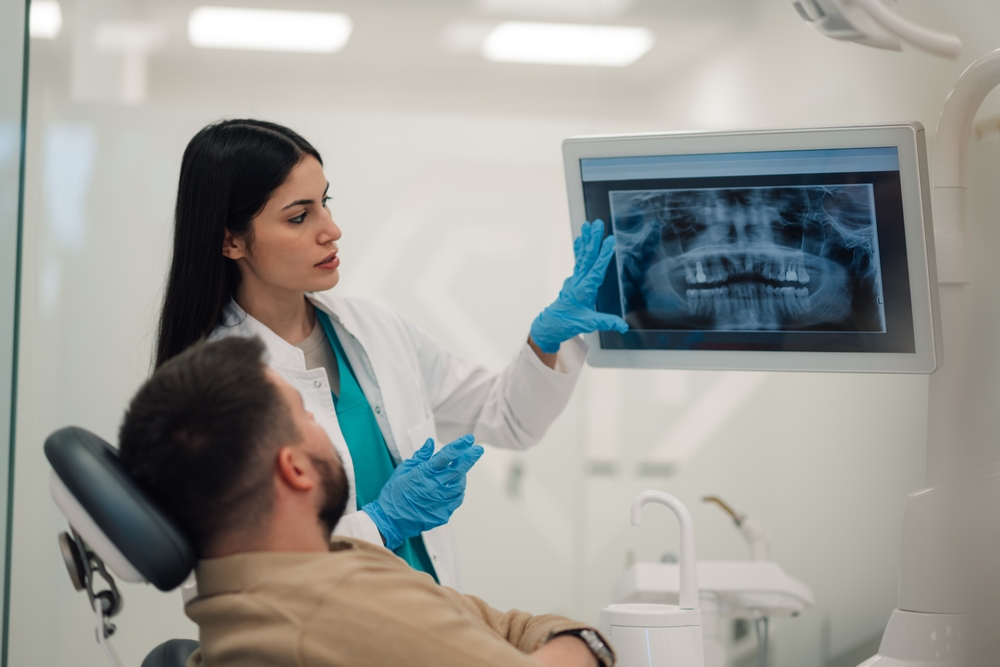
- Diagnostics: We will likely take X-rays to see what is happening below the gum line. This helps us diagnose abscesses, fractures, and bone loss.
- Pain Relief: Our immediate goal is to get you out of pain. This may involve local anesthesia.
- Treatment Plan: We will explain exactly what needs to be done, why it happened, and the costs involved. We believe in transparency.
- Treatment: We will perform the necessary procedure to fix the issue.
- Follow-Up: We will schedule a follow-up appointment to ensure you are healing correctly.
