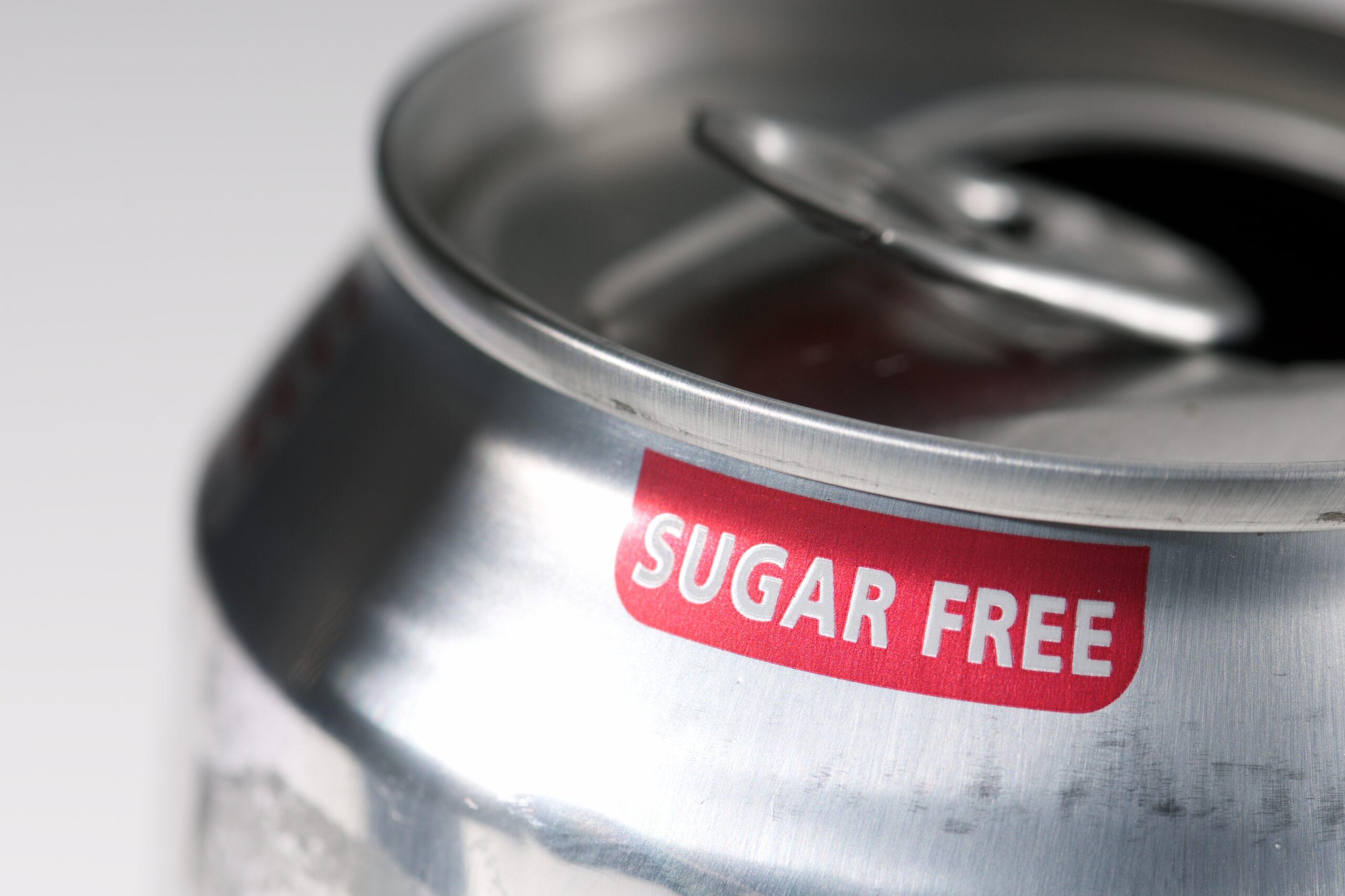
Is Diet Soda Bad for Your Teeth? Here’s What You Need to Know
For many, diet soda feels like a guilt-free indulgence. It’s sugar-free, low in calories, and seems like a better alternative to regular soda. But while it might not deliver the sugary punch, that doesn’t mean it’s harmless—especially when it comes to your teeth. If you’ve wondered, is diet soda bad for your teeth? The short answer is yes, and the culprit often lies in its high acidity.This blog will explore why diet soda can harm your teeth, the role acidity plays in eroding enamel, and practical tips to protect your smile if you enjoy the occasional fizzy treat.Why Diet Soda Can Harm Your Teeth
Diet soda is marketed as a healthier choice, but its impact on dental health tells a different story. While it may lack sugar—one of the primary causes of tooth decay—it still contains phosphoric acid and/or citric acid. These acids give soda its tangy flavor but can weaken your tooth enamel over time.Enamel, the outermost layer of your teeth, is your natural defense against decay and sensitivity. Unfortunately, once enamel is eroded, it can’t regenerate. This makes it crucial to understand how diet soda interacts with your teeth and take steps to minimize damage.The Role of Acidity in Diet Sodas
Acidity is the main threat to dental health when it comes to diet soda. To put things into perspective, the pH scale measures how acidic or alkaline a substance is, with lower numbers indicating higher acidity. For comparison:- Battery acid has a pH of 1.
- Lemon juice has a pH of 2.
- Most diet sodas have a pH between 3 and 4.
- Loss of Mineral Content – The acidity in diet drinks slowly strips away the calcium and phosphate ions that make up your enamel.
- Weakening of Enamel Structure – Once these minerals are lost, the enamel becomes softer and more prone to wear and tear.
- Vulnerability to Cavities – Acid-weakened enamel creates an ideal environment for bacteria, leading to cavities and further damage.
Acid Attack And Its Chain Reaction
Every time you sip diet soda, your enamel endures what’s known as an “acid attack.” This process lasts for about 20 minutes after each drink. If you sip your soda slowly over the course of an hour, you’re essentially extending this acid exposure, giving your teeth little recovery time between attacks.Signs That Diet Soda Is Affecting Your Teeth
Get Your Confident Smile — Book Today
Ready when you are. Our team at Infinite Dental Wellness makes scheduling a breeze and welcomes new patients for cleanings, cosmetic care, or dental emergencies.
Schedule a Visit- Teeth that appear yellowed (caused by thinning enamel that reveals the dentin underneath)
- Increased sensitivity to hot, cold, or sweet foods and drinks
- Rounded or uneven edges on your teeth
- Visible cracks or small dents on the tooth surface
Tips to Minimize Damage from Diet Soda
While avoiding diet soda altogether is the best way to protect your teeth, we know that’s not always realistic. Here are some simple steps you can take to enjoy diet soda while minimizing damage to your enamel:- Drink in Moderation – The more diet soda you consume, the greater the risk to your teeth. Aim to limit your intake to occasional treats rather than a daily habit.
- Use a Straw – Drinking through a straw reduces contact between the acidic beverage and your teeth. Position the straw toward the back of your mouth to bypass your teeth even further.
- Rinse with Water – After enjoying a diet soda, rinse your mouth with water. This helps wash away lingering acids and minimizes their exposure to your enamel. Avoid brushing your teeth immediately afterward—your enamel is temporarily softened, and brushing could cause more harm.
- Chew Sugar-Free Gum – Chewing sugar-free gum stimulates saliva production, which helps neutralize acids and strengthen your enamel with calcium and phosphate.
- Opt for Non-Acidic Drinks – When possible, reach for water, milk, or herbal tea as tooth-friendly alternatives to diet soda. These drinks not only keep you hydrated but also support your overall oral health.
- Maintain Good Oral Hygiene – Brushing twice a day with fluoride toothpaste and flossing daily are essential for protecting teeth from decay and acid erosion. Make regular dentist visits part of your routine to catch and address problems early.
- Time Your Soda Wisely – Drinking diet soda with meals is less harmful than sipping it on its own. Food helps neutralize acidity and provides a buffer for your teeth.
