Corrective Jaw Surgery: How It Works & How It Improves Function & Aesthetics
Living with a misaligned jaw can affect everything from your ability to chew and speak comfortably to your overall facial appearance and even your sleep. For many people, these issues go beyond simple aesthetics and become a matter of medical necessity. Corrective jaw surgery, also known as orthognathic surgery, is a transformative procedure designed to realign the jaws and teeth, restoring function, balance, and confidence.At Infinite Dental Wellness, we guide patients through their entire oral health journey. While we collaborate with trusted local oral surgeons and orthodontists for the surgical and specialized alignment phases, our team plays a central role in planning, coordination, and post-surgical care. This guide explains how corrective jaw surgery works, the problems it solves, and what you can expect on the path to a healthier, more comfortable bite.What Is Corrective Jaw (Orthognathic) Surgery?
Orthognathic surgery is a specialized procedure performed by an oral and maxillofacial surgeon to correct irregularities of the jaw bones. By repositioning the upper jaw (maxilla), lower jaw (mandible), or chin, the surgery improves the way your teeth fit together and enhances your facial harmony. It’s a carefully planned treatment that combines the expertise of an oral surgeon, an orthodontist, and your general dentist to achieve life-changing results.The goal: restoring bite alignment, facial balance, and function
The primary goal of corrective jaw surgery is to fix functional problems related to a misaligned jaw. This includes improving your ability to bite, chew food properly, and speak without difficulty. Beyond these functional improvements, the surgery also produces significant aesthetic benefits. By bringing your jaws into proper alignment, it creates a more balanced and symmetrical facial profile. For anyone looking into functional jaw surgery in Glendale, the aim is always a dual victory: a healthier mouth and a more harmonious appearance.How orthognathic surgery differs from cosmetic procedures
While orthognathic surgery certainly improves facial aesthetics, it is not considered a purely cosmetic procedure. Cosmetic surgeries, like a facelift or rhinoplasty, are typically performed to alter appearance for non-medical reasons. In contrast, orthognathic surgery is a medically necessary intervention to resolve underlying skeletal and dental problems that impact your health. The aesthetic improvements are a positive side effect of restoring proper function. This distinction is crucial, especially when it comes to insurance coverage and treatment planning.When jaw surgery becomes medically necessary
Corrective jaw surgery in Glendale becomes a medical necessity when jaw-related problems cannot be solved with orthodontics alone. This often happens when the jaws have grown at different rates, leading to a significant discrepancy. Medically necessary indicators include difficulty chewing or swallowing, chronic jaw or TMJ pain, sleep apnea caused by jaw position, open bites (where teeth don’t meet), or significant facial imbalance. An evaluation by a qualified oral surgeon in Glendale, CA, alongside our team at Infinite Dental Wellness, can determine if jaw realignment surgery is the right solution for you.Understanding the Problems It Solves
A misaligned jaw can be the root cause of numerous daily struggles, impacting your physical health and quality of life. Corrective jaw surgery addresses these core issues by repositioning the foundational bone structure of your face. Here are some of the most common problems that orthognathic surgery is designed to fix.Malocclusion (bad bite) and how it affects chewing and speaking
Malocclusion, or a “bad bite,” is the most common reason for jaw surgery. This occurs when your upper and lower teeth don’t fit together correctly. An overbite, underbite, crossbite, or open bite can make chewing inefficient and difficult, leading to digestive issues and uneven tooth wear. It can also affect speech, causing lisps or other impediments. Effective malocclusion treatment in Glendale often requires a combination of orthodontics and surgery to create a stable, functional bite.Facial asymmetry and imbalance in jaw growth
When the upper and lower jaws grow at different rates, it can lead to noticeable facial asymmetry. One side of the jaw may appear longer or shorter, the chin might be off-center, or the entire lower face can look receded or protruded. This imbalance is more than a cosmetic concern; it contributes to bite problems and joint strain. Jaw asymmetry correction through orthognathic surgery repositions the jaws to create a more balanced, symmetrical, and functional facial structure.How jaw position can impact sleep apnea and breathing
Obstructive sleep apnea (OSA) is a serious condition where breathing repeatedly stops and starts during sleep. In many cases, it’s caused by a recessed or small lower jaw, which allows the tongue and soft tissues to collapse backward and block the airway. By surgically advancing the jaw, sleep apnea jaw surgery can permanently open the airway, providing a lasting solution for many patients. This can dramatically improve sleep quality and reduce the serious health risks associated with untreated OSA.Chronic pain, TMJ strain, and headaches from misalignment
A misaligned bite forces the jaw joints (temporomandibular joints, or TMJ) and surrounding muscles to work overtime to function. This constant strain can lead to chronic jaw pain, persistent headaches, muscle spasms, and TMJ disorders. While other treatments may offer temporary relief, corrective surgery addresses the underlying skeletal problem. By achieving TMJ jaw alignment, the procedure can significantly reduce or even eliminate chronic pain for patients seeking a jaw pain Glendale dentist.How Corrective Jaw Surgery Works
The journey of orthognathic surgery is a meticulously planned process that combines advanced technology with a collaborative team approach. From the initial consultation to the final results, every step is designed for precision, safety, and a predictable outcome. Understanding the process can help demystify the procedure and set clear expectations.Step-by-step overview from consultation to recovery
- Consultation: Your journey begins with an evaluation at Infinite Dental Wellness and a consultation with a trusted local oral surgeon and orthodontist. We assess your bite, jaw function, and facial structure to determine if surgery is the right path.
- Pre-Surgical Orthodontics: Most patients wear braces for several months to a year before surgery to align the teeth within each jaw. This prepares them to fit together correctly after the jaws are repositioned.
- The Surgery: Performed by an oral surgeon in a hospital setting, the procedure involves making incisions inside the mouth to reposition the jawbones. Plates and screws hold the bones in their new position.
- Healing & Recovery: The initial healing phase lasts several weeks, followed by a longer period of adjustment.
- Post-Surgical Orthodontics: After a period of healing, your orthodontist will make final adjustments to your bite with braces or other appliances.
- Final Results: Once the braces are removed, you can enjoy your new bite and facial profile.
Advanced 3D imaging and digital planning tools
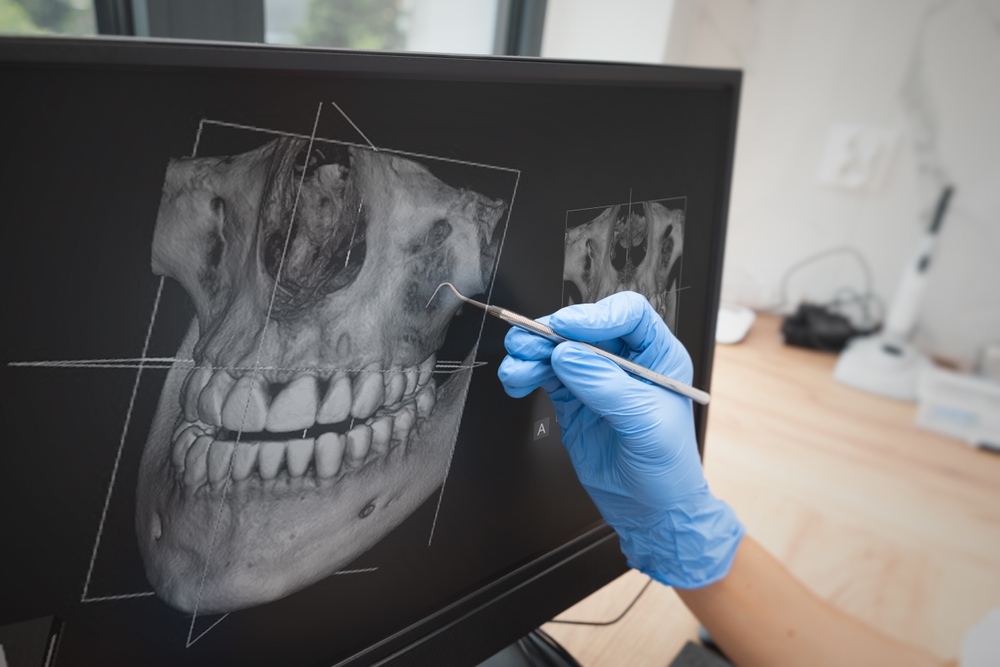
Modern corrective jaw surgery relies heavily on technology. At Infinite Dental Wellness, we use advanced 3D imaging, such as cone-beam computed tomography (CBCT), to create a precise digital model of your skull. This allows our team and the collaborating surgeon to visualize your jaw structure from every angle. This digital surgical planning in Glendale is a game-changer, enabling the surgeon to simulate the entire procedure on a computer before ever entering the operating room.Virtual surgical guides for precision and safety
Based on the digital plan, customized surgical guides can be 3D-printed. These guides fit perfectly onto your teeth and jaw during the operation, directing the surgeon’s instruments to the exact pre-planned locations. This technology for guided jaw surgery increases accuracy, enhances safety, and leads to more predictable and stable results. It takes the guesswork out of the procedure, ensuring your outcome matches the digital plan.The role of orthodontic treatment before and after surgery
Orthodontic treatment, typically with braces, is a critical part of the process. Before surgery, orthodontics align your teeth so they will fit together properly once your jaws are moved. This phase can sometimes make your bite feel worse temporarily, but it is essential for a successful surgical outcome. After surgery, a shorter period of orthodontic treatment is used to “fine-tune” your bite and settle your teeth into their final, ideal positions. This combination of jaw surgery with braces ensures a stable, functional, and beautiful result.Collaboration Between Surgeons, Orthodontists & Our Dental Team
Successful orthognathic surgery is not the work of one person but the result of seamless collaboration between multiple specialists. Your general dentist at Infinite Dental Wellness acts as the central coordinator, working closely with a trusted local oral surgeon and orthodontist to ensure every phase of your treatment is perfectly synchronized.A coordinated approach for predictable results
A coordinated approach ensures that everyone on your treatment team is working toward the same goal. From the initial diagnosis to the final bite refinement, each specialist’s role is clearly defined. Your orthodontist prepares your teeth, the oral surgeon repositions your jaws, and our team at Infinite Dental Wellness oversees your overall oral health and helps coordinate the care. This integrated orthodontic treatment in Glendale ensures nothing is overlooked, leading to highly predictable and stable long-term results.How orthodontists and oral surgeons work together
The partnership between the orthodontist and the oral surgeon is fundamental. The orthodontist focuses on moving the teeth, while the oral surgeon in Glendale, CA, focuses on moving the bones. They communicate constantly, sharing 3D scans and treatment plans to ensure the teeth will align perfectly after the jaws are surgically repositioned. This orthodontist collaboration in jaw surgery is essential for achieving a final result that is both functionally sound and aesthetically pleasing.Post-surgical alignment and bite refinement
After the surgery, your bite will be close to its final position, but not yet perfect. This is where your orthodontist steps back in. Over the next few months, they will use braces or other appliances to make small, precise adjustments. This phase of post-surgical alignment refines the bite, ensuring that your teeth meet in the most stable and efficient way possible. It’s the finishing touch that locks in the success of the surgery.Why multidisciplinary care matters for long-term stability
Jaw surgery is a significant investment in your health, and ensuring its long-term stability is paramount. A multidisciplinary dental team approach is the best way to achieve this. By having a general dentist, orthodontist, and oral surgeon all contributing their expertise, every aspect of your oral health is considered. This comprehensive care model minimizes complications, promotes better healing, and ensures your new bite remains healthy and stable for decades to come.What to Expect Before, During, and After SurgeryGet Your Confident Smile — Book Today
Ready when you are. Our team at Infinite Dental Wellness makes scheduling a breeze and welcomes new patients for cleanings, cosmetic care, or dental emergencies.
Schedule a Visit
Understanding the full timeline of corrective jaw surgery can help you feel more prepared and confident as you begin your treatment. The process is a marathon, not a sprint, with distinct phases of preparation, surgery, and recovery.Get Your Confident Smile — Book Today
Ready when you are. Our team at Infinite Dental Wellness makes scheduling a breeze and welcomes new patients for cleanings, cosmetic care, or dental emergencies.
Schedule a VisitPre-surgical evaluation and orthodontic preparation
Your journey starts with a comprehensive pre-surgical evaluation, including X-rays, 3D scans, and dental impressions. This information is used to create your personalized treatment plan. Next, you will begin the orthodontic preparation phase. You will wear braces for approximately 12 to 18 months to align your teeth, setting the stage for a successful surgical outcome. During this time, you will have regular appointments with your orthodontist and our team at Infinite Dental Wellness.What happens on the day of surgery
Corrective jaw surgery is performed in a hospital under general anesthesia. An oral surgeon will make incisions inside your mouth to access and reposition your jawbones, so there are typically no external scars. The surgeon uses small plates and screws to secure the bones in their new position. The procedure can last several hours, depending on the complexity. You will likely stay in the hospital for one to three days for observation.Recovery timeline and healing stages
The recovery timeline for jaw surgery in Glendale varies for each patient, but here is a general guide:- First 2 Weeks: This is the most intensive healing period. Expect significant swelling, bruising, and discomfort. You will be on a liquid-only diet.
- Weeks 2-6: Swelling will gradually subside. You can transition to a soft, non-chew diet (e.g., mashed potatoes, smoothies, yogurt). Most patients can return to school or work after 2-3 weeks.
- Weeks 6-12: The surgeon will likely give you clearance to start chewing soft foods again. Bone healing continues, and your energy levels will return to normal.
- 3 Months & Beyond: You can gradually return to a normal diet. Final orthodontic adjustments will begin. The majority of healing after corrective jaw surgery is complete by three months, but residual swelling can take up to a year to fully resolve.
